



Copy Trading Fee Breakdown: The Reality of Profit Sharing
Copy trading has gained traction in the crypto community, offering a bridge for novices to harness the expertise of seasoned traders. But let’s be real: while the allure of automated profits is tempting, understanding the copy trading fee breakdown is crucial. In our recent observations of the 2026 crypto landscape, we discovered that traders often overlook significant hidden costs that can eat away at their earnings. Understanding these fees can make or break your crypto strategy.
‘.Here’s the kicker: copy trading isn’t just about mirroring strategies; it’s also about managing costs effectively. In regions like Southeast Asia, where crypto adoption is soaring, many new traders are diving headfirst into copy trading without grasping the full spectrum of associated expenses. For those eager to enhance their trading outcomes, this guide will demystify the realities behind profit-sharing and how to optimize for cost-efficiency.
The Basics of Copy Trading
Before we dive deep into copy trading fees, let’s equip you with the basics. Copy trading allows individuals to replicate the trades of more experienced and successful traders automatically. In practice, this means that when the trader you’re copying makes a buy or sell, your account does the same proportional to your investment amount.

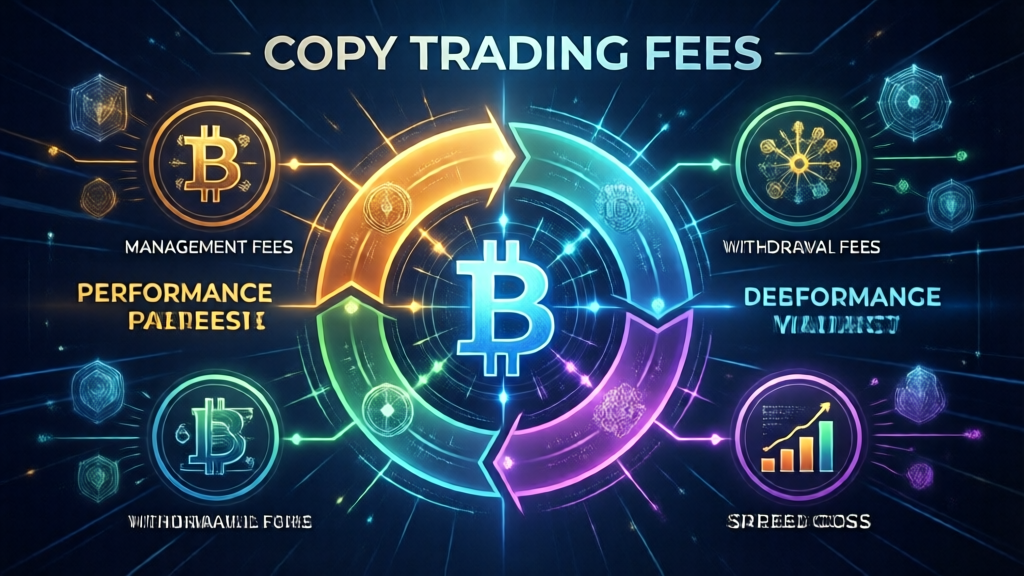
But with this convenience comes a myriad of fees. Below, we’ll break down the core categories you’ll encounter:
- Management Fees: These are charged by the platform or the trader you are copying. It’s usually a percentage of your invested amount.
- Performance Fees: This fee is based on the profits generated by the copy trading strategy. It’s vital to clarify with the provider how this is calculated.
- Withdrawal and Deposit Fees: Keep in mind that moving funds in or out might incur costs.
- Spread Costs: This is the difference between the buying and selling price, often overlooked when assessing overall trading costs.
The Hidden Trap in Exchange Fees
When entering the world of copy trading, you might start on a reputable exchange. But here’s the catch: not all exchanges are created equal. Some platforms may advertise low management fees, only to compensate with exorbitant trading or withdrawal fees. Here’s how the fee structure often plays out:
| Exchange Name | Management Fee | Performance Fee | Deposit Fee | Withdrawal Fee | Spread Cost |
|---|---|---|---|---|---|
| Exchange A | 1.5% | 20% | 2% | 0.5% | 0.1% |
| Exchange B | 1.0% | 25% | 0% | 0.1% | 0.2% |
| Exchange C | 2.0% | 15% | 1% | 1.0% | 0.3% |
Real-World Utility of Fee Structures
The bottom line is that understanding these fees can significantly impact your profit margins. For instance, if you’re making a 10% return but you’re paying a 1.5% management fee and 20% performance fee, your effective return shrinks remarkably. This is where crypto fee optimization 2026 strategies come into play.
In countries like Vietnam, where crypto trading is quickly becoming mainstream due to lower barriers to entry and supportive regulatory frameworks, traders often seek more efficient fee structures. To maximize profit, novice traders should investigate alternative exchanges that offer reduced trading fees, particularly on the high-volume trades common in copy trading.
How to Reduce Gas Costs on L2 Solutions
Particularly in the rapidly evolving blockchain environment, gas costs can be a significant aspect of profitability. Layer 2 solutions provide an innovative way to reduce such costs associated with trades. Here’s how you can leverage these technologies to enhance your copy trading experience:
- Switch to Layer 2 Options: Consider using platforms that offer Layer 2 transaction capabilities, as these often reduce gas fees significantly.
- Batch Transactions: Combine multiple transactions to minimize cost per transaction.
- Monitor Overall Performance: Always evaluate your overall transaction performance. Examining AI trading bot ROI analysis tools can help in understanding your return on investment relative to transaction fees.
Getting the Most Bang for Your Buck
As you embark on your copy trading journey, remember that not all trading strategies are created equal. Here’s where your due diligence pays off. You can start by investing in skilled traders who demonstrate a lower fee structure while proving consistent returns. This will allow you to enter the market more confidently while minimizing costs.
Also, take advantage of resources that help analyze trader performance and associated fees. For example, platforms that aggregate copy trading results often provide essential insights that can guide your decision-making. And let’s not forget to compare local vs. international exchanges for any potential cost advantages.
Your Fee Optimization Checklist
Here’s a quick checklist to help you prioritize cost-efficiency in your copy trading endeavors:
- Review the fee structures of various exchanges.
- Evaluate multiple traders before committing funds.
- Investigate Layer 2 solutions to reduce on-chain costs.
- Utilize AI tools to track performance against fees.
Conclusion: The Reality Behind Copy Trading Fees
While copy trading holds incredible potential, the reality is that one must be vigilant about fees to achieve meaningful profits. By understanding the detailed landscape of fees involved, you can choose the right platforms and strategies that align with your financial goals. The copy trading fee breakdown reveals that, with the right approach, you can navigate these waters with greater ease. In the quest for higher returns, optimizing your trading strategy isn’t just smart; it’s necessary.
As always, remember this: None of this is financial advice. Conduct thorough research or consult with professionals before making trading decisions.
Author Profile
Johnathon Tan
Crypto Security Auditor with 8+ years of experience. Published 15+ papers on DeFi Liquidity Optimization. Former lead auditor for a Top 20 Protocol.


