



Understanding Web3: The Future of Decentralized Internet
With the digital economy evolving rapidly, a recent study revealed that a staggering $4.1B lost to DeFi hacks in 2024 has brought to light the pressing need for secure, decentralized technologies. Welcome to the world of Web3, a paradigm shift in how we interact online, characterized by decentralization, blockchain integration, and a focus on user empowerment. This article will delve into what Web3 is, its significance, and how it can shape our digital future.
What is Web3?
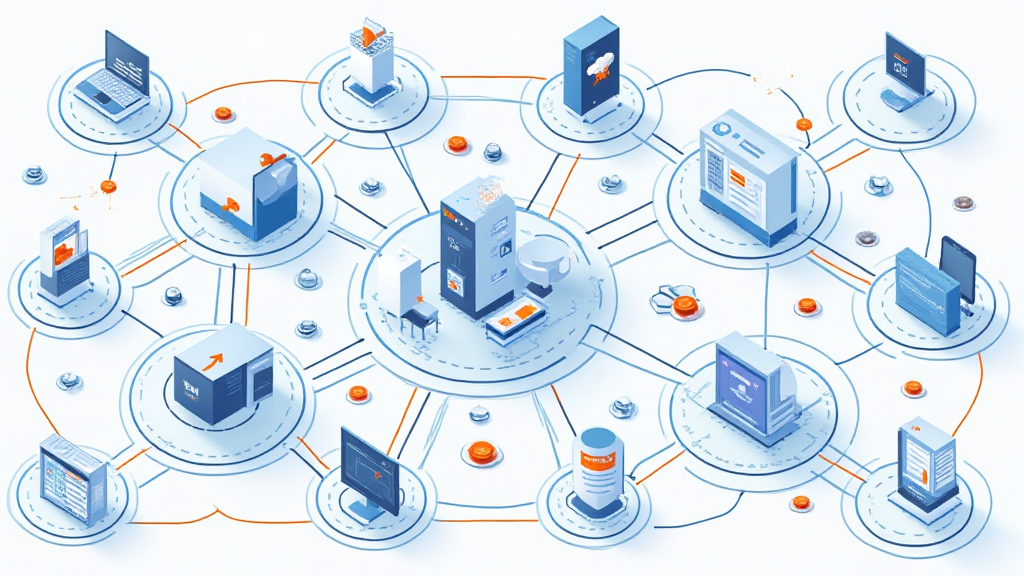
Web3, often referred to as the decentralized web, represents the next phase of internet evolution, aiming to create a more user-centric web experience. At its core, Web3 utilizes blockchain technology to facilitate peer-to-peer interactions without intermediaries. This contrasts sharply with the traditional Web2 model, wherein large corporations control data and user interactions.
Core Components of Web3
- Decentralization: Unlike Web2, where data is stored on centralized servers, Web3 proposes a decentralized approach using blockchain technology. This reduces risks associated with data breaches and hacks.
- Smart Contracts: These self-executing contracts with the agreement directly written into code enable secure transactions and enhance transparency.
- DApps: Decentralized applications work on a peer-to-peer network, providing users with greater control over their data.
The Role of Blockchain
Blockchain serves as the backbone of Web3, providing a secure and immutable ledger for transactions. However, understanding how blockchain operates is crucial. Imagine a bank vault where your assets are safe, yet anyone can verify their existence without needing to access the vault itself. That’s the essence of blockchain—secures data while maintaining transparency.
Benefits of Web3 for Users
- Enhanced Security: With increased decentralization, users have more control over their personal data, significantly reducing the chances of hacking.
- Ownership: Individuals can truly own digital assets through non-fungible tokens (NFTs), something not fully realized in Web2.
- Privacy Preservation: Web3 prioritizes user privacy, allowing users to engage in online activities without being tracked.
Situational Applications in Various Industries
Web3’s implications extend far beyond cryptocurrencies. Several industries stand to benefit significantly from its principles:
- Finance: Traditional banking systems can leverage Web3 to provide more secure and low-cost services.
- Entertainment: Artists can use blockchain for direct fan engagement, receiving fair compensation for their work.
- Supply Chain: Businesses can track products from origin to consumer, enhancing transparency and accountability.
Web3 in Asia: A Growing Trend
Vietnam has seen a remarkable growth rate in blockchain users, making the country a notable player in the Web3 landscape. According to recent studies, approximately 35% of Vietnamese internet users have engaged with blockchain technologies in some form. This surge highlights the transformative potential of Web3 in Southeast Asia.
Challenges and Misconceptions of Web3
Despite its promise, Web3 faces numerous challenges. Some common misconceptions persist:
- Complexity: Many users find blockchain technology difficult to understand, creating barriers to adoption.
- Lack of Regulation: The absence of standard regulations can lead to security risks and scams. As a user, it’s crucial to stay informed and vigilant.
How to Get Involved with Web3
As individuals and businesses explore cutting-edge technologies, here are a few steps to get involved:
- Educate Yourself: Familiarize yourself with blockchain, smart contracts, and decentralized finance (DeFi).
- Experiment: Start by using DApps and participating in decentralized networks.
The Future of Web3
As we look towards the future, Web3 holds the promise of redefined digital engagement. With potential applications in governance, identity verification, and more, establishing a decentralized ecosystem could lead to innovative business models and a more democratic internet.
Conclusion: Embracing the Web3 Revolution
In a world where data breaches are the norm, transitioning to a secure, user-oriented model is critical. The potentials of Web3 are vast, and understanding its foundations will pave the way for safer online experiences. Now is the time to embrace the decentralized future of the internet.
For more insights into cryptocurrencies and blockchain technology, visit cryptolearnzone.
Author: Dr. Alex Chen, a recognized expert in decentralized technologies, has published over 30 papers on blockchain and led audits for notable projects in the crypto space.


