



Exploring Web3 Graph Databases: The Future of Decentralized Data Management
With over $4.1 billion lost to DeFi hacks in 2024, the need for secure data handling in blockchain technology has never been greater. Web3 graph databases are emerging as a strong solution for the efficient management of data within decentralized applications. In this article, we will dive deep into the mechanics of Web3 graph databases, their advantages, and how they integrate with existing blockchain technology.
What Are Graph Databases?
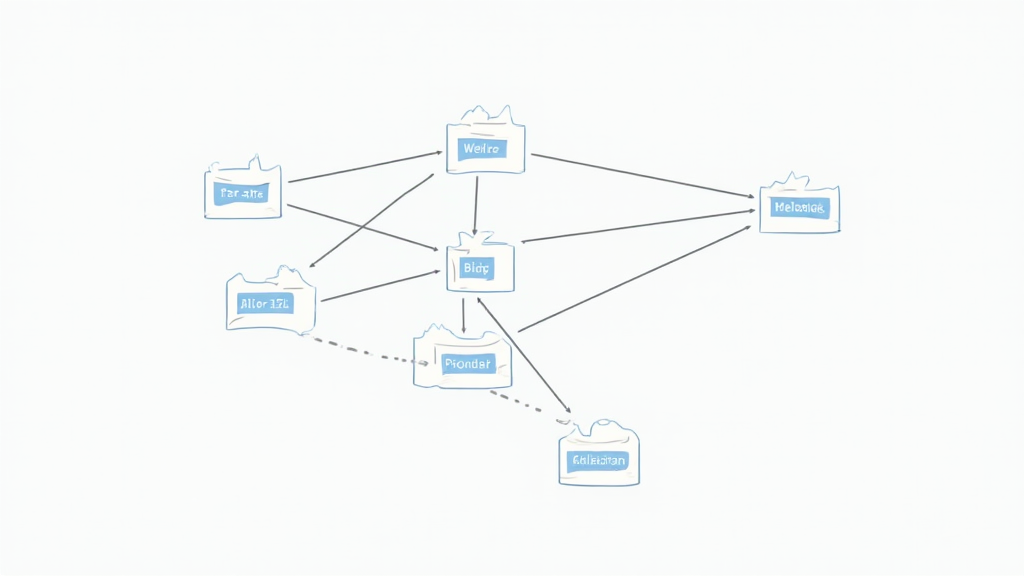
Graph databases are designed to model the relationships between data points efficiently. Unlike traditional databases, which are table-based, graph databases visualize data in nodes and edges. Nodes represent entities (like users or transactions), while edges represent relationships. This structure excels in scenarios where connection and relationship inquiries are paramount.
- Efficient relationship mapping: Quickly discover how entities relate to one another.
- Flexible schema: Easily adjust to new forms of data.
- Advanced querying: Use graph-based languages like Cypher for complex queries.
The Rise of Web3
The transition from Web2 to Web3 reflects a shift toward decentralization and user empowerment. With increasing concerns about data privacy, users are increasingly drawn to platforms that afford them control over their data. This shift is bolstered by technologies like blockchain, bringing us to the concept of Web3 graph databases.
Benefits of Web3 Graph Databases
Web3 graph databases possess unique features tailored to enhance decentralized applications:
- Interoperability: They allow seamless data integration from multiple blockchain sources, making it easier to aggregate information.
- Scalability: As new applications are developed, graph databases can scale up to accommodate increased data demands.
- Enhanced security: With blockchain’s immutable nature, data integrity is hardwired into graph databases.
- Improved user experience: Personalized interactions based on user data can enrich the overall user engagement.
Use Cases in Vietnam
In recent years, Vietnam has seen a significant growth in crypto adoption, with a reported user growth rate of over 25% in 2023. This increase underscores the importance of integrating innovative technologies like Web3 graph databases into the local market.
Several potential use cases include:
- Decentralized finance (DeFi): Users can access financial services without a centralized bank, utilizing graph databases to track and manage assets securely.
- Supply chain management: Companies can enhance transparency and efficiency by mapping relationships between suppliers and distributors.
- Social networks: Secure and decentralized social platforms can leverage graph databases to enhance user privacy while maintaining interaction.
Challenges and Considerations
While graph databases offer many advantages, they also come with challenges:
- Complex implementation: Transitioning existing applications to graph databases may require substantial restructuring.
- Data protection: Ensuring user data is handled safely and consistently remains a top priority.
The Future with Web3 Graph Databases
As we move toward a more decentralized world, the integration of technologies such as Web3 graph databases will shape how data is stored, accessed, and utilized. They offer promising solutions to existing challenges in data management while enhancing security and user experience.
In conclusion, Web3 graph databases represent the next evolution in data handling for decentralized applications. Given the growth rates seen in markets like Vietnam and the importance of data privacy, their adoption will likely accelerate in the coming years. By incorporating these databases, decentralized platforms can effectively meet user demands and secure their assets comprehensively.
For further insights into blockchain security and innovations, explore our resources at hibt.com, where you can learn about the latest trends in data management.


