



NFT Interoperability: Revolutionizing Digital Asset Ownership
As the NFT (Non-Fungible Token) space continues to evolve rapidly, we are witnessing a significant shift in the ownership and trading of digital assets. Did you know that in 2024, approximately 70% of NFT collectors expressed a desire for interoperability among NFTs across different platforms? This indicates a clear demand for enhanced functionality and user experience. Understanding NFT interoperability is crucial for ensuring that digital assets can retain value and functionality across various ecosystems.
What is NFT Interoperability?
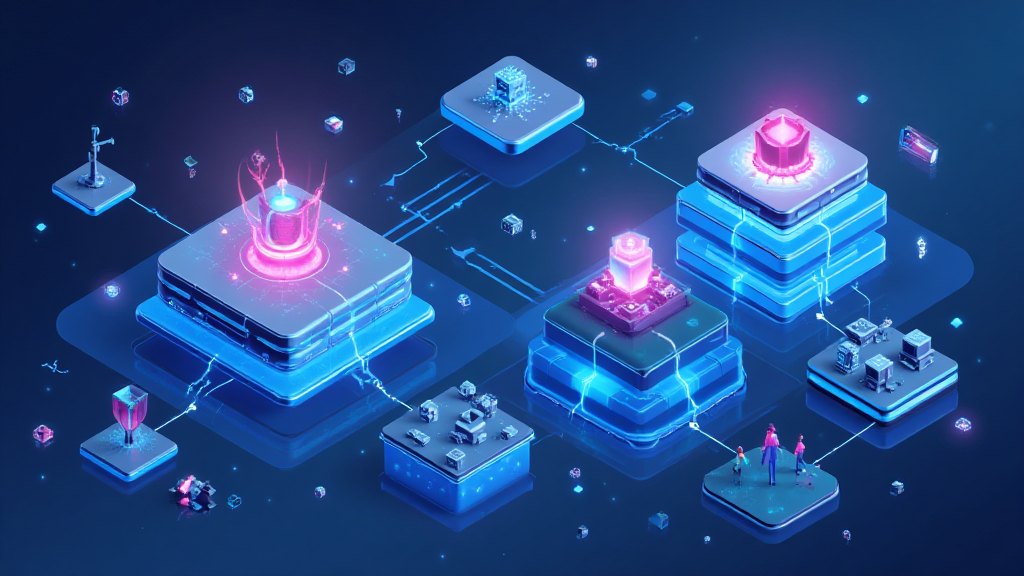
NFT interoperability refers to the ability for NFTs to be used, accessed, and transferred seamlessly across different blockchain networks and platforms. Just like a universal remote can control multiple devices, NFT interoperability enables digital assets to interact across different environments. This is crucial in a landscape where the popularity of NFTs has transcended individual marketplaces, reaching various sectors such as art, gaming, and virtual real estate.
Why is NFT Interoperability Important?
Here’s the catch: without interoperability, the potential of NFTs is limited. Users and creators may find themselves locked within a single ecosystem, hindering the evolution of digital goods. The importance of NFT interoperability can be summarized as follows:
- Enhanced Accessibility: Creators and collectors can easily move their NFTs between platforms.
- Increased Liquidity: More trading opportunities arise as NFTs can be sold or traded across multiple marketplaces.
- Broader Use Cases: Interoperability allows NFTs to go beyond digital art and into gaming, music, and more.
Technical Foundations of NFT Interoperability
Understanding the technical aspects is vital. Most NFTs are created using standards like ERC-721 and ERC-1155 on the Ethereum blockchain. However, as the blockchain ecosystem diversifies, we need solutions that can bridge these different networks. Here are some of the strategies currently being explored:
- Cross-Chain Bridges: These enable the transfer of NFTs from one blockchain to another. Projects like ChainBridge and Polkadot aim to allow seamless cross-chain interactions.
- Wrapped Tokens: This method represents an NFT on a different blockchain, preserving the ownership and metadata while allowing it to operate in an alternate ecosystem.
- Standardization: Initiatives to create universal standards for NFTs can facilitate greater interoperability.
The Role of Marketplaces in NFT Interoperability
Marketplaces play a pivotal role in the adoption of NFT interoperability. Prominent platforms like OpenSea, Rarible, and Foundation are exploring ways to enhance the transferability and visibility of NFTs across different marketplaces. For instance, OpenSea has begun incorporating features that allow users to see listings across multiple chains, enhancing their overall experience.
Additionally, in Vietnam, the NFT market is growing significantly. In 2024 alone, the Vietnamese NFT user growth rate reached 55%, indicating an increasing demand for interoperability among domestic users. As these marketplaces develop mechanisms for interoperability, the local market is expected to flourish.
Challenges to Achieving NFT Interoperability
Despite the tremendous potential, several challenges remain in achieving true NFT interoperability:
- Technical Complexity: The diverse architecture of blockchain networks complicates interoperability.
- Scalability Issues: Transactions across different chains can be slower and more costly.
- Security Concerns: More bridges can increase the risk of hacks and exploits.
The Future of NFT Interoperability
Looking ahead, NFT interoperability is poised to unlock significant market opportunities. Analysts predict that by 2025, NFTs will be integrated into various aspects of everyday life, transforming how we perceive ownership in the digital world. The growth of decentralized finance (DeFi) also plays a role in pushing the boundaries of NFT use cases.
In a future where blockchain technology continues to evolve, standardization will be critical. We are likely to see more collaborative efforts among blockchain projects to facilitate interoperability. Future scholars and practitioners in this space will have ample opportunities to study and innovate in these areas.
Conclusion
NFT interoperability stands at the forefront of revolutionizing digital asset ownership, fostering innovation, and expanding markets. By addressing current challenges and actively pursuing interoperability solutions, we can create a vibrant ecosystem for NFTs. As we move forward, keep an eye on the rapidly-changing landscape of NFT platforms and the exciting advancements in interoperability.
For further insights on secure blockchain practices, check out hibt.com. Not financial advice. Consult local regulators.
To stay updated on the trends in the crypto space, remember the key term: NFT interoperability.
Written by Dr. Emily Thompson, a blockchain technology expert with over 15 published papers and the lead auditor of several prominent projects in the crypto industry.


