



Navigating Estate Planning for Crypto Assets in Vietnam
In 2024, an astounding $4.1 billion was lost due to hacks in the decentralized finance (DeFi) sector. This staggering statistic highlights the urgent need for effective estate planning for crypto assets, especially in emerging markets like Vietnam, where the cryptocurrency landscape is rapidly evolving.
As digital assets gain popularity, the necessity of protecting them for future generations is paramount. In this article, we will delve into the current state of cryptocurrency ownership, the intricacies of estate planning, legal considerations, and practical steps that Vietnamese citizens can take to secure their digital wealth.
The Rise of Cryptocurrency in Vietnam
Vietnam has become a significant player in the cryptocurrency space. According to recent reports, the number of cryptocurrency users in Vietnam has grown by over 80% in the last two years. This surge indicates the increasing acceptance and utilization of digital assets among Vietnamese citizens.
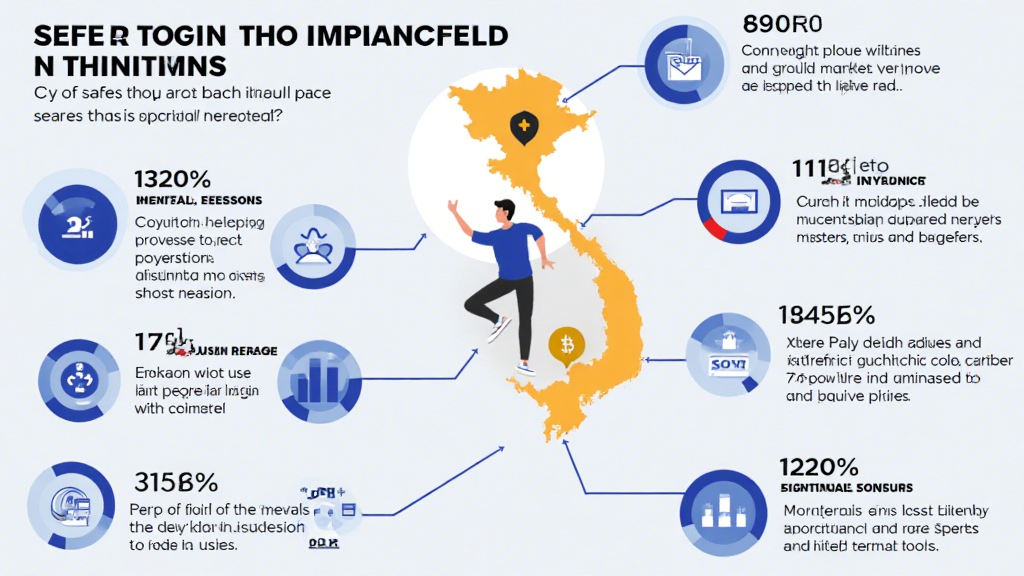
- Over 1.5 million active cryptocurrency wallets exist in Vietnam.
- Projected annual growth rate of 35% for the Vietnamese cryptocurrency market.
- The number of cryptocurrency businesses in Vietnam has doubled.
As the user base expands, so does the necessity for proper estate planning for these digital assets.
Understanding Crypto Estate Planning
Estate planning involves preparing for the transfer of a person’s assets after their death. When it comes to crypto assets, the process can be vastly different from that of traditional assets. Here’s how:
- Ownership and Access: Unlike physical assets, crypto assets are held in digital wallets and require private keys for access. This unique aspect makes it imperative to plan how these keys will be transferred.
- Legal Framework: The legal status of cryptocurrencies in Vietnam is still evolving; thus, estate planning must navigate unclear legal waters.
- Valuation: Determining the value of crypto assets can be volatile and complex, necessitating periodic re-evaluations.
Key Considerations for Vietnamese Citizens
When embarking on estate planning for crypto assets in Vietnam, there are several key factors to consider:
1. Assessing Your Digital Assets
Begin by compiling a comprehensive list of your crypto investments. Include:
- Cryptocurrency holdings: Bitcoin, Ethereum, and altcoins.
- Non-fungible tokens (NFTs): Special digital collectibles and artwork.
- DeFi investments: Tokens staked or provided as collateral.
2. Create a Will or Trust
To ensure your crypto assets are distributed according to your wishes after your death, it’s important to:
- Draft a will that specifically addresses your crypto holdings.
- Consider creating a trust to manage the distribution.
- Include specific instructions on how access to wallets and private keys should be granted.
3. Secure Your Private Keys
Your private keys are crucial for accessing your crypto assets. To share access securely:
- Store private keys in a secure location, like a hardware wallet.
- Provide encrypted copies to trusted family members or executors.
- Regularly update your storage solutions to ensure ongoing security.
Legal Implications in Vietnam
In Vietnam, the legal acceptance of cryptocurrencies is still being defined. The State Bank of Vietnam has tightened regulations on cryptocurrency transactions. However, it has not yet issued specific guidelines for estate planning related to digital assets.
For effective estate planning, consider consulting experienced legal advisors familiar with both blockchain technology and Vietnamese laws. They can help navigate potential future regulatory changes and ensure compliance.
Case Study: Successful Crypto Estate Planning
Let’s take a look at a hypothetical scenario:
Mr. Nguyen, a successful entrepreneur and crypto investor, amassed a portfolio worth over $1 million in various cryptocurrencies. Before his unexpected passing, he organized a structured estate plan:
- Created a segmented will that addressed his crypto assets specifically.
- Established a trust where his assets would be managed by a trusted family member.
- Safely stored his private keys in a hardware wallet with instructions on how to access it provided to his executor.
As a result, his family was able to manage his digital assets smoothly, avoiding potential disputes and losses.
Useful Tools for Crypto Estate Planning
Several tools can facilitate crypto estate planning:
- Cryptocurrency Wallets: Use secure hardware wallets like Ledger Nano X to protect your assets.
- Legal Services: Online platforms like HIBT can provide templates for wills specific to crypto assets.
- Asset Management Software: Utilize software that helps track your digital assets effectively.
Future of Crypto Estate Planning in Vietnam
As Vietnam continues to embrace and regulate cryptocurrencies, the landscape for estate planning is likely to evolve significantly. Expect to see:
- Increased Legal Clarity: More defined legal frameworks concerning crypto ownership and transfer.
- Growing Acceptance: More financial institutions recognizing cryptocurrencies as an asset class.
- More Resources: A surge in educational resources and tools targeted at helping individuals understand crypto estate planning.
Eventually, these changes will simplify the process for users wanting to plan their estates effectively.
Conclusion: Take Action Now
With the potential risks associated with crypto investments, effective estate planning for crypto assets in Vietnam is no longer optional—it’s essential. By understanding the unique challenges of managing digital assets and taking proactive steps, you can ensure your wealth is protected and passed down seamlessly.
As a Vietnamese citizen with digital assets, now is the time to start your planning journey. By utilizing the strategies and tools discussed, you can secure your crypto investments and provide peace of mind for your loved ones.
For more insights on cryptocurrency regulations and planning, visit cryptolearnzone.
Dr. Nguyen Hoang, a renowned blockchain consultant, has authored over 20 papers in the field and has spearheaded audits for several notable projects in Southeast Asia.


