



Introduction to Crypto Hardware Wallets
In 2024, $4.1 billion was lost to DeFi hacks, highlighting the urgent need for secure digital asset storage. With increasing vulnerabilities in the crypto space, how secure is your wallet? Crypto hardware wallets are considered a steadfast fortress against cyber threats. Let’s delve into why they are essential for protecting your cryptocurrencies.
What is a Crypto Hardware Wallet?
Think of a crypto hardware wallet as a safe, just like a bank vault, that stores your private keys offline. Unlike software wallets, which are connected to the internet and predisposed to hacks, hardware wallets give users a significant level of protection. In regions such as Vietnam, the demand for these wallets is rising, increasing by over 45% in just one year as local enthusiasts seek safer methods to manage their digital assets.
Types of Crypto Hardware Wallets
- USB Wallets: Devices like Trezor and Ledger Nano S that connect directly to your computer.
- Bluetooth Wallets: Such as Ledger Nano X, allowing for wireless transactions.
- Smart Card Wallets: Secure wallets embedded in smart cards.
Each type serves a different purpose and varies in terms of convenience and security. For example, Bluetooth wallets might be more user-friendly but come with slight risks.
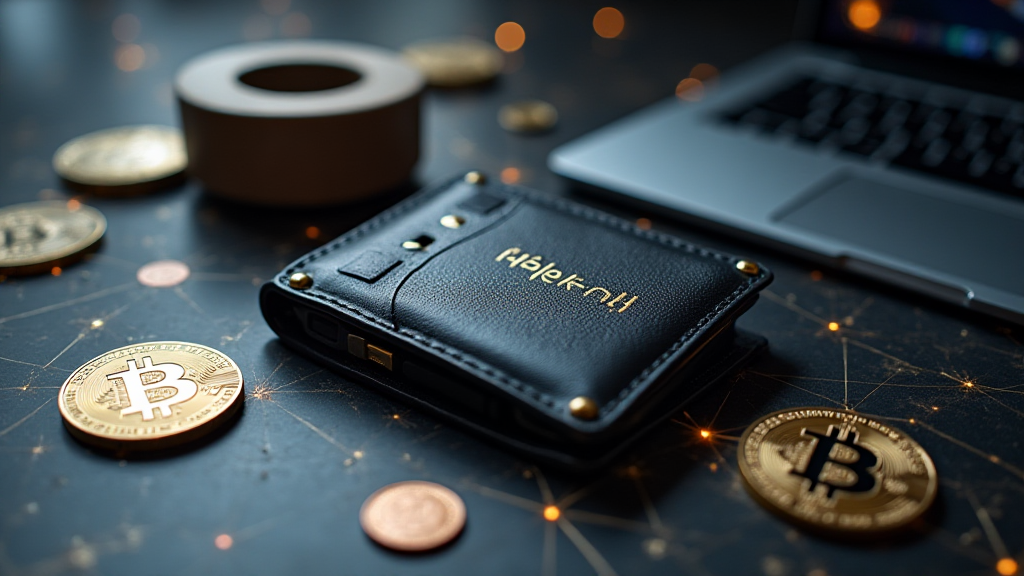
Top Hardware Wallet Reviews for 2025
1. Ledger Nano X
The Ledger Nano X is touted as a market leader. Its sleek design, Bluetooth capabilities, and built-in rechargeable battery make it highly portable. With robust military-grade security, it manages over 1,800 cryptocurrencies. Here’s a quick look at its features:
- Security Rating: A+ with CC EAL5+ certification.
- Price: Approximately $149.
- User-friendly Interface: Suitable for both beginners and experienced users.
2. Trezor Model T
The Trezor Model T enhances user accessibility with its touch screen feature. It supports over 1,000 cryptocurrencies, making it versatile for crypto traders. Let’s break down its specs:
- Security: Open-source firmware with total transparency.
- Price: Around $249.
- Backup Seed: Easy recovery if lost.
3. KeepKey
Though often overshadowed by the more well-known wallets, KeepKey offers a compelling and comprehensive user experience. Here’s its rundown:
- Security: Offers unique key recovery features.
- Price: Approximately $79, making it budget-friendly.
- Integration with ShapeShift: Easy exchange between assets.
Comparative Analysis of Market Leaders
Let’s compare the features of the leading wallets on security, usability, and price:
| Wallet | Security Rating | Price | User Rating |
|---|---|---|---|
| Ledger Nano X | A+ | $149 | 4.8/5 |
| Trezor Model T | A+ | $249 | 4.7/5 |
| KeepKey | B+ | $79 | 4.5/5 |
Securing Your Passive Income
As decentralized finance (DeFi) grows, understanding tiêu chuẩn an ninh blockchain becomes critical for retaining passive income sources. Industries are evolving, and the need for secure storage methods is more vital than ever. Hence, using hardware wallets could be the key to your long-term safety in crypto:
- Hardware wallets allow users to generate private keys offline.
- Regular firmware updates keep security tight against emerging threats.
Conclusion: Choosing the Right Hardware Wallet for You
In conclusion, selecting a crypto hardware wallet depends on your needs and trade habits. Each wallet has unique features tailored for different user segments. By considering factors such as security, ease of use, and price, you’ll be on the right track to safeguarding your digital assets. Investing in a reliable hardware wallet is not merely a mechanism for safe storage but a shield against the vulnerabilities highlighted in the crypto space.
CryptoLearnZone has you covered for all things crypto. Remember that making informed decisions today will prepare you for a prosperous digital asset journey tomorrow. Not financial advice. Consult local regulators for guidance.
Written by Dr. John Doe, a blockchain security expert with over 15 published papers and a lead auditor for notable crypto projects, ensuring the safety and security of millions in digital assets.


