



Benefits of Blockchain Technology: Transforming Industries
As we continue to witness unprecedented growth in the digital space, blockchain technology emerges as a game-changer, offering groundbreaking solutions that address many of the challenges plaguing industries today. With over $4.1 billion lost to DeFi hacks in 2024 alone, the need for secure, reliable frameworks has never been more crucial. In this article, we will explore the numerous benefits of blockchain technology, shedding light on its potential to revolutionize various sectors and ultimately enhancing security and trust in digital transactions.
Understanding Blockchain Technology
Before diving into the benefits of blockchain technology, it’s important to grasp what it entails. Blockchain is a decentralized ledger system that records transactions across multiple computers securely and transparently. This means that once a transaction is added to the blockchain, it cannot be altered or erased, ensuring the integrity of the information stored. Think of it as a bank vault for your digital assets, where every transaction is recorded and safeguarded from tampering.
1. Enhanced Security
One of the most prominent benefits of blockchain technology is its heightened security measures. Unlike traditional databases that are vulnerable to hacking, blockchain employs advanced cryptographic techniques to protect information. Each block in the chain is linked to the previous one, forming a secure chain of data. This significantly reduces the risk of fraud and unauthorized access.
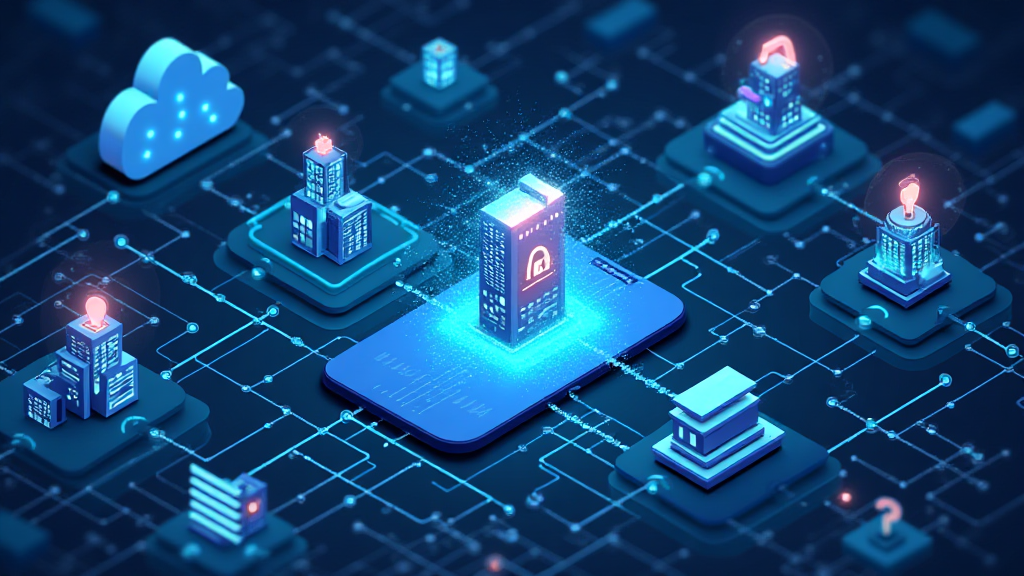
- Immutable Transactions: Once a transaction is recorded on the blockchain, it remains unchangeable, thus instilling a greater level of confidence among users.
- Decentralization: By dispersing the database across multiple nodes, blockchain reduces the risk of a single point of failure, making it tougher for attackers to compromise the system.
2. Increased Transparency and Traceability
Blockchain technology fosters transparency by allowing all participants in the network to access the same information. This visibility is crucial for industries such as supply chain management, where traceability can improve accountability and trust.
- Real-Time Tracking: For example, businesses can monitor the movement of goods in real-time, ensuring that all parties are aware of the product’s journey from manufacture to delivery.
- Provenance Confirmation: Blockchain can validate the origin of products, providing consumers with assurance regarding ethical sourcing and authenticity.
3. Cost Reduction
This technology also facilitates significant cost savings for businesses. By eliminating intermediaries and reducing administrative overheads, blockchain can create more efficient systems.
- Fewer Middlemen: Transactions can be streamlined, allowing for peer-to-peer connections without the need for banks or brokers.
- Automated Processes: Smart contracts—self-executing contracts with the agreement terms directly written into code—can automate operations, reducing the likelihood of errors.
4. Empowering Digital Identity
In today’s world, digital identity is paramount. Blockchain provides a robust platform for managing identity securely and privately.
- Ownership Control: Users have complete control over their identity data, deciding who can access it and for what purposes.
- Reduced Identity Theft: With secure, immutable records, the possibility of identity fraud is significantly diminished.
5. Applications Across Various Industries
The applications of blockchain technology span numerous sectors. Let’s delve into how specific industries can benefit:
Financial Services
Blockchain has the potential to revolutionize banking and financial services by facilitating faster, cheaper, and more secure transactions. Digital currencies such as Bitcoin can operate on a decentralized framework, minimizing transaction fees and time delays.
Supply Chain Management
As mentioned earlier, the transparency offered by blockchain can remove inefficiencies in the supply chain, offering real-time visibility to stakeholders.
Healthcare
In the healthcare sector, blockchain can provide secure storage of patient records, allowing for seamless sharing of information among approved entities while maintaining privacy.
Real Estate
Blockchain can simplify property transactions by enabling smart contracts that automatically transfer ownership without the need for a notary or legal intermediary.
The Future of Blockchain Technology
As we look ahead, the benefits of blockchain technology are poised to expand further, especially in emerging markets like Vietnam. Recent statistics show that the number of Vietnamese users engaging with decentralized finance platforms has surged by over 40% in the past year. Such growth indicates widespread acceptance and potential for future innovations in the region.
Conclusion
In conclusion, the benefits of blockchain technology are profound and varied, offering a myriad of solutions that can redefine how industries operate. Enhanced security, transparency, cost-efficiency, and the ability to empower individuals are just a few reasons that illustrate why embracing blockchain is essential for future progress. As Vietnam and other emerging markets continue to leverage this technology, we can expect tremendous advancements in digital asset management.
To keep up with the latest trends and developments in cryptocurrency and blockchain, visit cryptolearnzone.


