


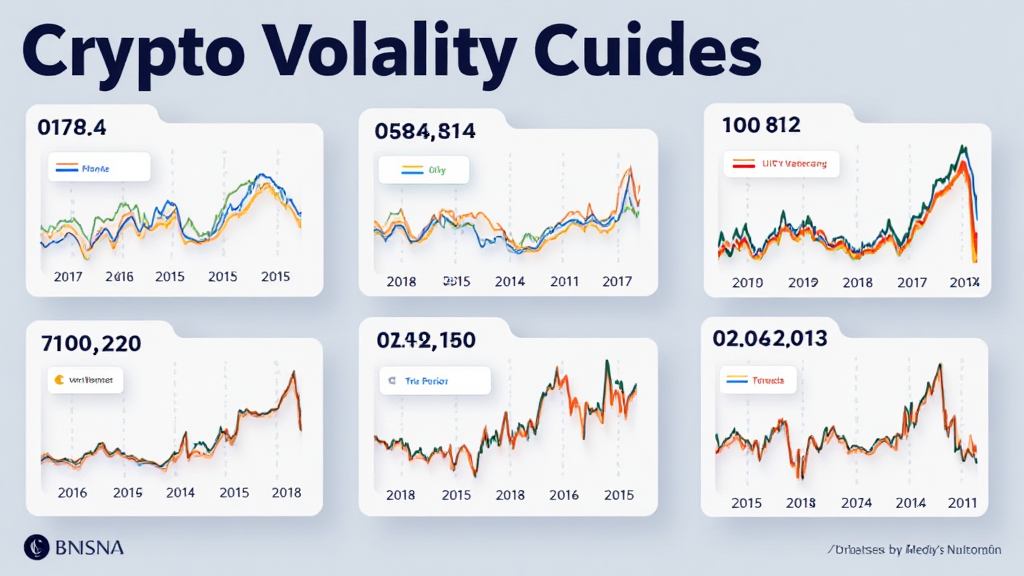

Navigating Crypto Volatility Indexes: A Comprehensive Guide
As of 2024, the cryptocurrency market’s landscape has increasingly become volatile, with over $4.1 billion lost to hacks and exploits in decentralized finance (DeFi). In this unpredictable environment, crypto volatility indexes offer traders and investors a means to gauge market fluctuations, helping them make more informed decisions.
This article aims to provide you with a thorough understanding of crypto volatility indexes, their usefulness, how they operate, and their relevance in today’s digital asset ecosystem.
What Are Crypto Volatility Indexes?
Crypto volatility indexes are analytical tools designed to measure the volatility of cryptocurrencies, similar to how the VIX index works for traditional equities. By assessing the price fluctuations of various digital assets, these indexes help market participants gauge market sentiment and volatility risk.

- Purpose: They help investors assess risk and potential return by quantifying volatility.
- How They Work: Utilizing historical price data, these indexes calculate the implied volatility of cryptocurrencies over a specified duration.
- Importance: Understanding market fluctuations can help traders implement effective risk management strategies.
Understanding the Calculation of Crypto Volatility Indexes
Crypto volatility indexes often employ methods similar to the Black-Scholes model, which calculates implied volatility based on option prices. The most common calculation methods include:
- Historical Volatility: This method uses past price movements to forecast future volatility.
- Implied Volatility: Based on the market’s expectations, this method analyzes the price of options on cryptocurrencies.
Why Are Crypto Volatility Indexes Important?
Trading in highly volatile environments like the crypto market can be challenging. A volatility index helps:
- Risk Assessment: Traders can evaluate their risk tolerance based on the current volatility level.
- Market Timing: Investors can strategize entry and exit points more effectively.
- Developing Trading Strategies: Volatility indexes can aid in creating tailored strategies for specific market conditions.
Case Study: Using a Volatility Index in Trading
Consider a trader utilizing a specific crypto volatility index. If the index indicates low volatility, they may choose to execute a buy-and-hold strategy, anticipating stable or rising prices. Conversely, when the index showcases high volatility, the trader might opt for short-term trades to capitalize on price swings.
The Significance of Crypto Volatility Indexes in the Vietnamese Market
With a growing interest in cryptocurrencies within Vietnam, understanding crypto volatility indexes is crucial for local investors:
- Vietnam’s User Growth: The country has seen a 300% increase in crypto user engagement over the past two years.
- Investment Trends: More Vietnamese are diversifying their investment portfolios with digital assets, increasing the need for effective risk management tools like volatility indexes.
Local Insights: The Market Dynamics
With the rise of decentralized finance, Vietnamese investors must be equipped with knowledge of volatility indexes to navigate this risky investment environment. Many opt to analyze these indexes before making investment decisions, with many using mobile applications that monitor their performance.
Challenges and Limitations of Crypto Volatility Indexes
While crypto volatility indexes can provide valuable insights, there are challenges associated with their use:
- Market Manipulation: Cryptocurrencies are susceptible to market manipulation, leading to misleading volatility readings.
- Inconsistent Data: Inaccuracies in historical data can impact the reliability of volatility calculations.
- Dependence on External Factors: News, regulations, and sudden market events can rapidly change volatility metrics.
Mitigating Risks with Volatility Indexes
To effectively use volatility indexes amid these challenges, investors should adopt a multi-faceted approach:
- Diversification: Spread investments across different assets to minimize overall risk.
- Continuous Learning: Stay updated on market trends and utilize educational resources available on platforms like hibt.com.
The Future of Crypto Volatility Indexes
The crypto market is continually evolving, which is likely to drive advancements in volatility indexes:
- Increased Adoption: As more traders recognize the value of volatility indexes, we can expect wider acceptance across crypto trading platforms.
- Innovative Data Analytics: With advancements in AI and machine learning, future volatility indexes may provide even more accurate insights.
As Vietnam’s crypto user base grows, the importance of understanding these tools will only amplify, presenting unique investment opportunities.
Conclusion
Crypto volatility indexes serve as a critical avenue for assessing market dynamics in an increasingly volatile environment. By familiarizing yourself with these tools, you can make more insightful investment decisions, potentially mitigating risks associated with the unpredictable nature of cryptocurrencies.
Remember, investing in cryptocurrencies involves risks, and it’s essential to consult with financial professionals and keep abreast of local regulations.
For more insights on navigating the complexities of crypto, visit us at cryptolearnzone.


