



Smart Contracts Explained: A Complete Overview
With over $4.1 billion lost to DeFi hacks in 2024 alone, understanding smart contracts is more crucial than ever.
Smart contracts, often described as self-executing contracts with the terms of the agreement directly written into code, play a central role in the cryptocurrency ecosystem. This article aims to demystify smart contracts by explaining their functionalities, benefits, potential risks, and their significance for blockchain technology.
What Are Smart Contracts?
Smart contracts operate on blockchain networks, enabling automated, self-triggered transactions that reduce the need for intermediaries. Imagine a vending machine: you insert your money, make a selection, and the machine provides your snack without any need for human interaction. Similarly, smart contracts execute predefined actions when specific conditions are met.
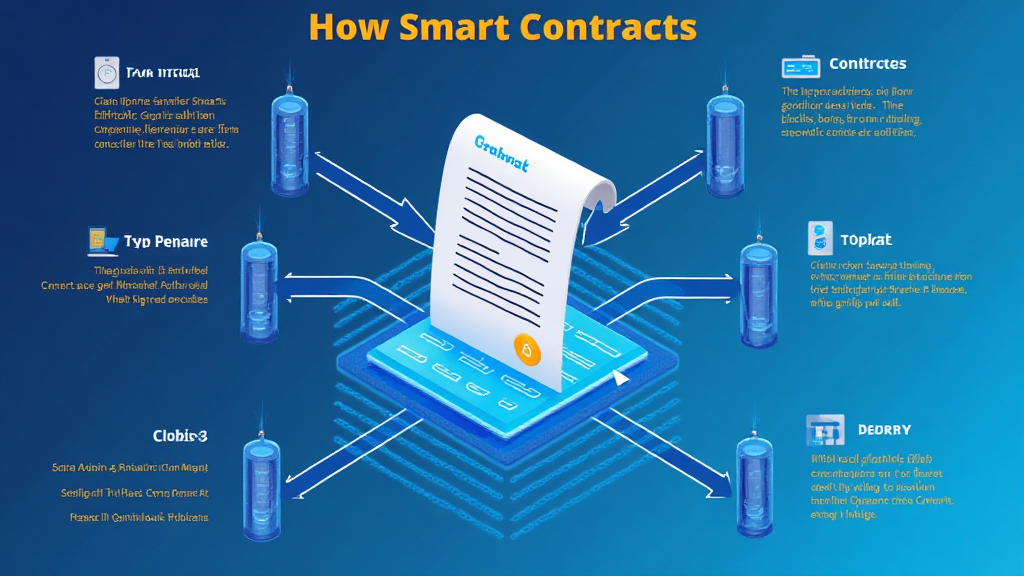
These digital agreements are composed of code and live on the blockchain, ensuring security and transparency. Instead of relying on traditional legal systems, smart contracts digitize and automatically enforce contracts.
How Do Smart Contracts Work?
To understand how smart contracts function, consider this example:
- A user creates a smart contract for a property sale.
- The contract stipulates that upon payment of a deposit, the ownership will transfer automatically.
- Once the deposit is received, the smart contract executes the transaction without the need for intermediaries.
This system streamlines many processes, saving time and reducing costs.
Benefits of Smart Contracts
Smart contracts present numerous advantages that can revolutionize the way transactions are conducted. Here are some key benefits:
- Decentralization: No central authority controls smart contracts, reducing the risks associated with a single point of failure.
- Transparency: All transactions are recorded on the blockchain, making them immutable and easily auditable.
- Cost Savings: By eliminating the need for intermediaries, parties can save on legal and transaction fees.
- Speed: Transactions can occur within minutes instead of days or weeks.
- Security: Blockchain’s cryptographic nature ensures data integrity and reduces the risk of fraud.
Risks Associated with Smart Contracts
Despite their considerable benefits, smart contracts are not without risks. In 2025, it is anticipated that smart contracts will present unique challenges, including:
- Code Vulnerabilities: Errors or loopholes in the code can lead to security breaches and financial losses.
- Regulatory Challenges: The lack of clear legal frameworks may complicate enforceability and compliance.
- Irreversibility: Once executed, transactions on the blockchain cannot be undone.
Applications of Smart Contracts
Smart contracts have far-reaching applications across various industries, including:
- Real Estate: Facilitating property sales and leases.
- Supply Chain: Automating inventory and shipment tracking.
- Finance: Streamlining loan processes and executing automated financial agreements.
How to Audit Smart Contracts
Auditing is crucial for ensuring the reliability of smart contracts. To audit a smart contract effectively, one should:
- Conduct a thorough code review to identify any vulnerabilities.
- Utilize automated tools designed for smart contract auditing.
- Engage independent auditors with a strong track record in blockchain technology.
The Vietnamese Market for Smart Contracts
Vietnam’s cryptocurrency market is experiencing rapid growth, with a 400% increase in active users over the past year. As blockchain adoption rises, smart contracts are poised to transform various sectors in Vietnam, including banking and e-commerce.
Incorporating smart contract technology can streamline transactions, enhance transparency, and build trust among stakeholders.
Security Standards for Smart Contracts in Vietnam
For businesses, adhering to tiêu chuẩn an ninh blockchain is crucial to mitigate risks associated with smart contracts. This includes ensuring coding best practices and complying with local regulations to maintain user trust and safety.
Conclusion: The Future of Smart Contracts
Smart contracts are undeniably shaping the future of many industries by providing transparency, security, and automation. Understanding their intricacies and potential risks is essential for leveraging their full benefits. As technology advances and regulatory frameworks develop, the role of smart contracts in the cryptocurrency landscape will only continue to grow. Stay informed and prepare for the opportunities that smart contracts may bring to your business.
In conclusion, with smart contracts, we find ourselves at the forefront of a technological revolution that could drastically change the way we interact with digital assets. The possibilities are vast, but so are the responsibilities to ensure their secure and efficient application.
For further insights on cryptocurrency and blockchain technology, visit cryptolearnzone.


