



NFT Real Estate Applications: Revolutionizing Property Transactions
With the real estate market embracing digital transformation, NFT real estate applications have emerged as a game changer. As of 2023, the global real estate market was projected to reach over $4 trillion, with a significant portion now exploring blockchain technology to enhance transparency and security in property transactions. This article delves into how NFTs are reshaping real estate deals, increasing efficiency, and securing ownership.
Understanding NFT Basics
NFTs, or Non-Fungible Tokens, represent unique digital assets verified through blockchain technology. Each NFT is distinct and cannot be replaced or exchanged on a one-to-one basis. In the context of real estate, NFTs can represent properties, ownership rights, or other real-estate-related assets, streamlining transactions in ways traditional methods can’t.
- Ownership Verification: NFTs provide a clear and unalterable record of ownership, making fraud nearly impossible.
- Programmable Contracts: Smart contracts can automate sales, ensuring conditions are fulfilled before the transfer of ownership occurs.
- Fractional Ownership: NFTs allow multiple people to own fractions of a property, making investment accessible to a broader audience.
The Applications of NFTs in Real Estate
Several key applications of NFTs in the real estate sector are transforming how properties are bought, sold, and managed:
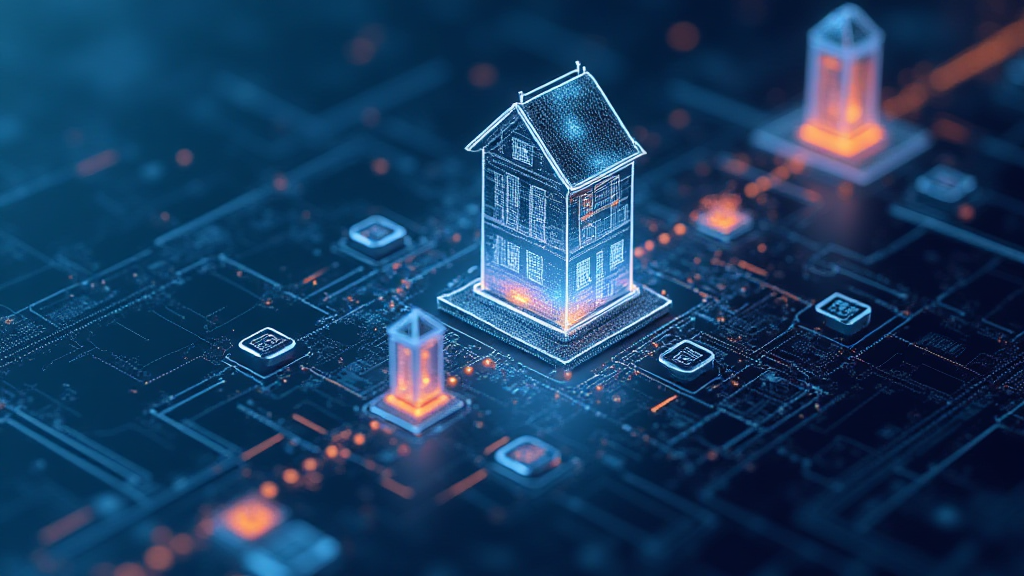
1. Property Listings and Sales
Imagine a real estate market where properties are listed as NFTs. This digital representation not only simplifies the buying process but also enhances accessibility. Buyers can navigate a marketplace of NFTs representing various properties, each equipped with transparent ownership history and valuation.
2. Smart Contracts and Escrow Services
Implementing smart contracts in transactions can eliminate the need for traditional escrow services. For instance, a property sale can be executed automatically upon receiving payment, all transparently recorded on the blockchain. This reduces the time and costs associated with property transactions.
3. Fractional Ownership of Properties
NFTs enable fractional ownership easily. Investors can purchase a percentage of an expensive property, democratizing access to high-value real estate. This method not only expands the investor base but also introduces liquidity in real estate markets where traditionally it was lacking.
Market Data and Growth Potential
Data indicates a significant increase in interest regarding NFTs within the real estate sector. According to a recent report by Fortune Business Insights, the NFT market is expected to grow at a compound annual growth rate (CAGR) of 35% from 2023 to 2030. Furthermore, the Vietnamese real estate market has seen a remarkable increase in interest, with the percentage of local investors involved in NFT transactions growing exponentially. As a result, real estate platforms targeting Southeast Asia are rapidly incorporating NFT functionalities into their operations.
Challenges and Considerations
Despite its promising potential, the use of NFTs in real estate is not without challenges:
- Legal Framework: As NFTs are relatively new, existing regulations may not cover them, leading to legal ambiguities.
- Volatility and Speculation: The inherent volatility of the crypto market might deter traditional investors.
- Digital Divide: Not all potential buyers have access to the technology required to engage in NFT transactions.
Future Outlook and Conclusion
As we look towards the future, the integration of NFT real estate applications presents a path to modernizing property transactions, enhancing security, and improving access for a diverse range of investors. However, the road ahead demands a concerted effort from stakeholders—regulators, developers, and investors—to address legal, technical, and educational challenges.
To wrap it up, the burgeoning market of NFTs in real estate is rapidly uncovering advantages but also calls for caution and adaptability. Keeping an eye on the trends, especially in emerging markets like Vietnam, will grant investors a competitive edge in this evolving landscape. The key takeaway is to remain informed and be prepared to leverage these transformative technologies.
For anyone interested in diving deeper into this topic and exploring further resources, check out hibt.com for comprehensive analyses on blockchain’s impact across various industries.
If you are looking to remain at the forefront of real estate technology, understanding NFT implications is indispensable. As the landscape shifts, those equipped with knowledge about NFT applications will find themselves in a prime position.
Disclaimer: This article is for informational purposes only and does not constitute financial advice. Always consult with local regulators and professionals for guidance specific to your circumstances.
***
Written by: Dr. Linda Tran, a cryptocurrency strategist and blockchain consultant. With over 15 publications in the fields of crypto and property technology, she has spearheaded audits for esteemed blockchain projects.


