



NFT Metadata Storage: The Future of Digital Assets
In 2024, the NFT market reached an astonishing valuation of $25 billion, with skyrocketing interest in unique digital assets prompting questions about their storage, especially metadata. An estimated $4.1B was lost to decentralised finance hacks. This has made understanding NFT metadata storage not just a technical consideration but a vital aspect of securing digital assets.
Understanding NFT Metadata
Non-Fungible Tokens (NFTs) are unique digital assets certified using blockchain technology. Unlike cryptocurrencies, NFTs are indivisible and hold unique metadata that defines their identity, ownership, and provenance. This metadata often includes important details such as the title, creator, and ownership history.
The Role of Metadata in NFTs
- Identification: Metadata acts as a fingerprint for NFTs, distinguishing one token from another.
- Provenance: It tracks the ownership history, adding value and trust.
- Interoperability: Metadata defines how an NFT interacts with various platforms and applications.
Storage Solutions for NFT Metadata
NFT metadata storage solutions vary significantly depending on security requirements, accessibility, and cost. Understanding the various options can help creators and collectors alike make informed decisions.
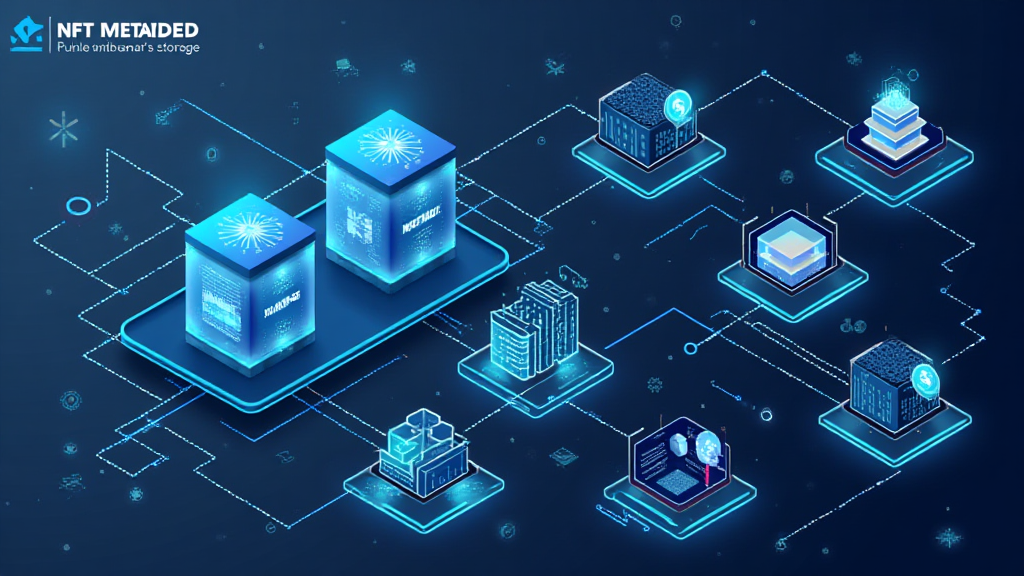
On-Chain vs Off-Chain Storage
These two primary storage methods significantly affect the security and accessibility of NFT metadata.
- On-Chain Storage: Storing metadata directly on the blockchain is the most secure option. However, it can be costly, especially if the data size is substantial. Examples include Ethereum’s ERC-721 standard.
- Off-Chain Storage: This method utilizes external databases or services to store metadata. It often involves services like IPFS (InterPlanetary File System) and centralized servers. While cheaper and scalable, it poses risks such as downtime and data loss.
Why Off-Chain Storage is Popular
Despite the inherent risks, many NFT creators opt for off-chain solutions due to their affordability and flexibility. For example, IPFS provides decentralised storage, which can be more reliable than traditional servers.
Securing NFT Metadata: Best Practices
As NFT data breaches can lead to the loss of hundreds of thousands of dollars, being proactive about securing metadata is crucial.
- Utilizing Decentralised Storage: Implementing decentralized alternatives like IPFS can minimize risks associated with centralization.
- Regular Audits: Conducting frequent audits of your smart contracts can help identify vulnerabilities.
- Strong Access Controls: Ensuring tight control over who can access metadata is vital in preventing unauthorized alterations.
The Impact of NFTs in Vietnam
The NFT market in Vietnam is growing rapidly, with an annual user growth rate of over 25%. The rise of NFT marketplaces like Rarible and OpenSea has made it essential for Vietnamese creators to understand NFT metadata storage.
Local Market Trends
According to recent reports, Vietnam’s digital asset sector is booming, contributing to the global NFT space. Vietnamese artists are now increasingly exploring this medium, creating NFTs that reflect local culture. This movement emphasizes the need for secure and reliable storage methods for metadata.
Future Outlook: What’s Next for NFT Metadata Storage?
As the NFT landscape evolves, so too will the methods to store metadata. New standards and technologies will emerge that could provide more efficient and secure storage solutions. Here are potential trends to watch out for:
- Enhanced Blockchain Solutions: Innovative solutions like layer 2 technology could offer more scalable storage options.
- AI-Powered Management: Artificial intelligence may play a role in managing and safeguarding metadata.
- User-Driven Governance: Community-driven protocols may emerge, leading to democratized control over NFT metadata.
Conclusion: Securing Your Digital Identity
In an ever-changing digital landscape, understanding how to properly store NFT metadata is vital for artists and collectors alike. By implementing strong security practices and staying informed about emerging technologies, stakeholders can ensure their digital assets are well protected. As you navigate the complexities of NFT metadata storage, remember that what you do today shapes your digital identity in the blockchain space.
At cryptolearnzone, we are committed to providing expert insights and resources to help you navigate the world of NFTs and blockchain technology. Remember to stay vigilant and informed to safeguard your digital assets effectively.


