



NFT Dynamic Pricing: Navigating the Future of Digital Assets
With a staggering $250 million spent on NFTs in Q1 2023 alone, it’s clear that the NFT marketplace is rapidly evolving. However, as prices fluctuate wildly, many collectors and creators are left wondering: how can we better understand and predict NFT pricing? This is where NFT dynamic pricing comes into play, reshaping how digital assets are valued and traded.
What is NFT Dynamic Pricing?
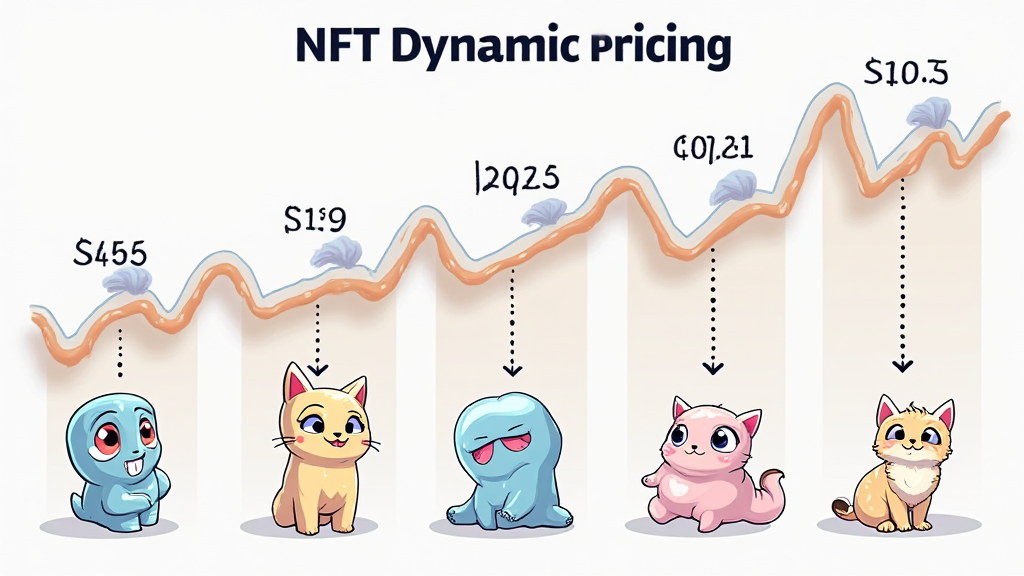
NFT dynamic pricing refers to the adjustable nature of NFT prices based on various factors such as market demand, rarity, and the overall performance of the asset. Unlike fixed pricing models, dynamic pricing allows sellers to modify the price in real time, much like a stock market where values fluctuate based on buyer interest and market trends.
- Market Demand: Prices can increase rapidly if there is a surge in interest for a specific NFT.
- Rarity and Scarcity: Unique or limited-edition NFTs often command higher prices.
- Historical Performance: Past sales data can influence future pricing strategies.
How Does Dynamic Pricing Work in NFTs?
Imagine entering an auction where prices change as bidders raise their hands. Each bid influences the starting price for the next bidder. Similarly, with NFT dynamic pricing, the technological framework often uses algorithms that analyze market conditions and buyer behavior to adjust prices accordingly. This allows sellers to maximize their revenues while providing buyers with competitive pricing based on real-time data.
The Role of Algorithms in Dynamic Pricing
Various algorithms are employed to facilitate dynamic pricing in NFT marketplaces, utilizing complex data analysis methods. These algorithms assess attributes like:
- Transaction Volume: High volume might trigger price increases.
- Social Media Sentiment: Trends on platforms like Twitter and Discord can drive prices.
- Historical Sales Data: Algorithms analyze the sale prices of similar NFTs to suggest price adjustments.
Real-World Examples of Dynamic Pricing
Several platforms employ dynamic pricing successfully:
- OpenSea: Operates using a bidding system that permits price adjustments based on demand.
- Rarible: Allows creators to set prices that can fluctuate according to real-time sales data.
For instance, Rarible employs a community model where users can influence pricing through demand, leading to increased engagement and sales.
Challenges Associated with NFT Dynamic Pricing
While dynamic pricing provides several advantages, challenges persist, such as:
- Market Volatility: Prices can fluctuate drastically, creating potential buyer hesitation.
- Complex Pricing Models: Some buyers may find it hard to navigate rapidly changing prices.
- Potential for Manipulation: Some sellers may attempt to create artificial demand to inflate prices.
Future Trends in NFT Dynamic Pricing
The future of dynamic pricing in the NFT space looks promising. Predictions indicate that by 2025, the global NFT market could reach over $80 billion. As more creators and collectors enter the fray, dynamic pricing strategies will evolve:
- Increased Integration with AI: AI will play a larger role in price predictions based on complex analytical models.
- Regulatory Impact: As policies evolve, dynamic pricing models will have to adapt to compliance requirements.
The Vietnamese NFT Market
In Vietnam, the NFT market is expected to grow significantly, with a reported 200% increase in NFT users in 2023. This presents a unique opportunity for local artists and collectors to navigate dynamic pricing strategies successfully.
Conclusion
Understanding NFT dynamic pricing is critical for anyone looking to engage with the digital assets market effectively. As marketplaces evolve and more individuals participate, staying informed on pricing strategies will become essential. Remember, whether you are a creator or a collector, keeping an eye on market trends will enable you to make more informed decisions and capitalize on opportunities. Explore these new horizons with cryptolearnzone, where we keep you ahead of the curve.


