



NFT Authenticity Verification: Ensuring Trust in Digital Assets
With the explosion of over $2.5 billion in NFT sales recorded in 2021, ensuring the authenticity of these digital assets has never been more paramount. The rise of NFTs has opened new avenues for artists and collectors, yet it has also ushered in a wave of concerns regarding fraud and misrepresentation. NFT authenticity verification serves as a bridge to secure and validate ownership in this rapidly evolving space. In this article, we will explore the meaning of NFT authenticity verification, how it works, and why it is vital for participants in the cryptocurrency ecosystem, particularly on platforms such as cryptolearnzone.
Understanding NFT Authenticity Verification
At its core, NFT authenticity verification is a process that ensures the digital asset being bought or sold is genuine and accurately represents the work of the creator. It involves several components including blockchain technology, smart contracts, and digital signatures. The process ensures that the information stored on the blockchain aligns with the actual ownership and rights associated with the NFT, much like a notary public authenticates a signature on a physical document.
How Does NFT Authenticity Work?
- Blockchain Technology: Every NFT is minted on a blockchain, typically Ethereum, and contains unique metadata, including the creator’s address and ownership history.
- Smart Contracts: These self-executing contracts contain code that enforces the rules for NFT ownership and transferability. They are responsible for recording any transfers of ownership on the blockchain, providing an immutable record.
- Digital Signatures: Each NFT is signed using cryptographic methods that allow owners to verify the authenticity and ownership of the digital asset.
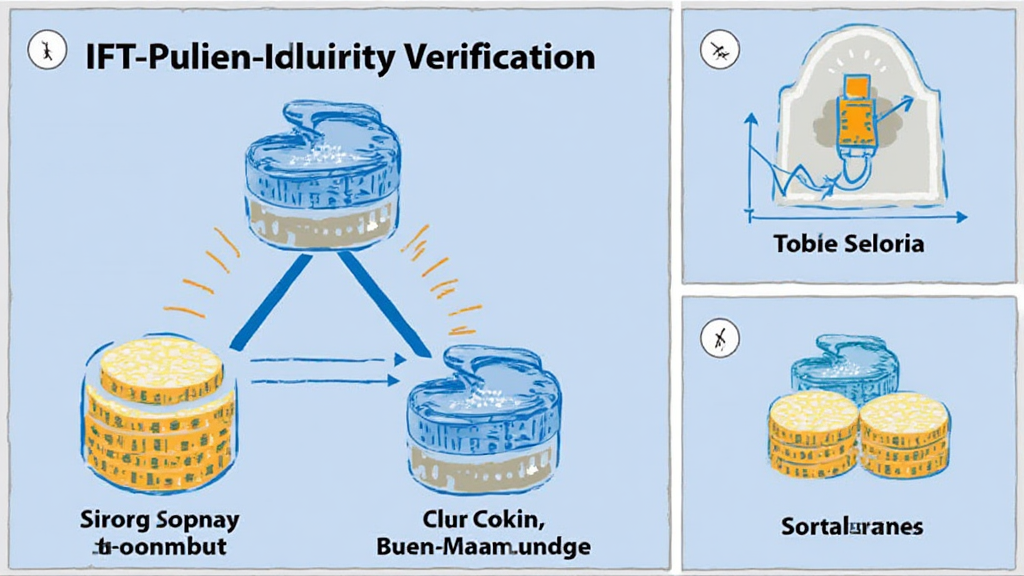
This process acts like a bank vault for digital assets, ensuring the security and authenticity of NFTs.
Why Is NFT Authenticity Verification Essential?
The importance of NFT authenticity verification cannot be overstated. Here are a few crucial reasons that underline its necessity:
- Fraud Prevention: With many reports of counterfeit NFTs, a rigorous verification process helps eliminate fraudulent listings, protecting both buyers and creators.
- Building Trust: Authentic NFTs instill confidence in the marketplace, encouraging wider adoption and investment in digital assets.
- Value Preservation: Ensuring an NFT’s authenticity helps maintain its value and desirability, making it a worthwhile investment for collectors.
The Process of Verifying NFTs
Verifying the authenticity of NFTs involves multiple steps that work harmoniously to ensure a credible outcome. Here’s how to navigate the verification process effectively:
- Check the Smart Contract: Ensure that the NFT is based on a reputable smart contract that provides clear insights into ownership guidelines.
- Review Ownership Histories: Utilize blockchain explorers to track the ownership history of the NFT, affirming its journey from creation to current possession.
- Verify Creator Information: Ensure that the NFT was minted by the original creator or an authorized source.
- Cross-reference Listings: Check platforms for similar NFTs and their attributes to confirm the distinctive qualities of the NFT in question.
The Role of Marketplaces in Authenticity Verification
Platforms like cryptolearnzone play an instrumental role in fostering a secure environment for NFT trading. They often implement verification tools that aid buyers in assessing the authenticity of NFTs before making purchase decisions. Here are some strategies employed by marketplaces:
- Integration of Reputable Verification Services: Marketplaces partner with third-party verification services that specialize in validating NFT authenticity.
- User Ratings and Reviews: Enabling users to leave feedback fosters a transparent environment and helps buyers identify trusted sellers.
- Educational Resources: Providing guidance on how to verify NFTs empowers users to protect themselves against fraud.
The Growth of NFTs in Vietnam
As global interest in NFTs surges, so does its influence in Vietnam. The country has reported an increase in NFT enthusiasts by 60% in the past year, illustrating the rapid adoption of digital assets in a market that continues to evolve. With Vietnamese artists leveraging NFT platforms to monetize their work, understanding authenticity verification becomes imperative.
Long-term Outlook on NFT Authenticity Verification
Looking ahead, the demand for NFT authenticity verification is set to grow as the market expands. With more individuals and businesses exploring NFT opportunities, the need for robust verification mechanisms will become crucial in shaping the landscape.
Let’s break it down further:
- Regulatory Compliance: As regulations around NFTs tighten, platforms will need stringent verification processes to comply with local laws.
- Technological Advancements: Innovations such as AI and machine learning may provide automated solutions for verifying authenticity, streamlining the process.
- Educational Initiatives: Continued emphasis on educating users about NFT verification can mitigate fraud and foster a more secure trading environment.
Conclusion: Trust in Digital Assets
As we delve deeper into the digital age, securing trust through NFT authenticity verification is paramount. Not only does it protect the interests of creators and collectors, but it also contributes to a more reputable and reliable NFT marketplace. Moving forward, participating in platforms like cryptolearnzone can provide users with the necessary resources to navigate NFT purchasing confidently, ensuring that their investments are safeguarded.
In conclusion, NFT authenticity verification is much more than a technical process. It is a fundamental component of trust and security in the digital asset realm. As users in Vietnam and beyond embrace this technology, understanding and leveraging authenticity verification will be key in upholding the integrity of NFTs.
By embracing these verification practices, users can actively contribute to a more secure NFT ecosystem and protect their investments.
Written by Dr. James Miller, a blockchain technology expert with over 15 published papers in the field; Dr. Miller has led several successful NFT projects and is recognized for his contributions to the crypto security domain.


