



Introduction
In 2024 alone, the cryptocurrency space witnessed a staggering loss of $4.1 billion to decentralized finance (DeFi) hacks, underscoring the urgent need for secure, efficient, and scalable blockchain solutions. As more users and businesses flock to the digital asset ecosystem, the spotlight shines on Web3 layer 1 solutions. But what exactly are these solutions, and why are they crucial for the future? This article aims to unpack the significance of Web3 layer 1 solutions, their benefits, and how they reshape the blockchain landscape.
What Are Layer 1 Solutions?
Layer 1 solutions refer to the base protocol of a blockchain network. It operates independently and manages all transactions and data on its chain. Unlike layer 2 solutions, which work on top of existing blockchains, layer 1 solutions address scalability and performance issues at the primary blockchain level. Many well-known cryptocurrencies, including Bitcoin and Ethereum, operate on layer 1 principles.
A common analogy to understand layer 1 solutions is to think of a traditional bank. Just as a bank operates its operations, manages accounts, and processes transactions directly, layer 1 solutions handle all kinds of blockchain activities directly on their network.
Scalability and Security: The Building Blocks of Layer 1 Solutions
Scalability and security are two critical factors driving the adoption of Web3 layer 1 solutions. Traditional blockchains often struggle with transaction speeds and network congestion, particularly during peak times. Let’s break it down further:
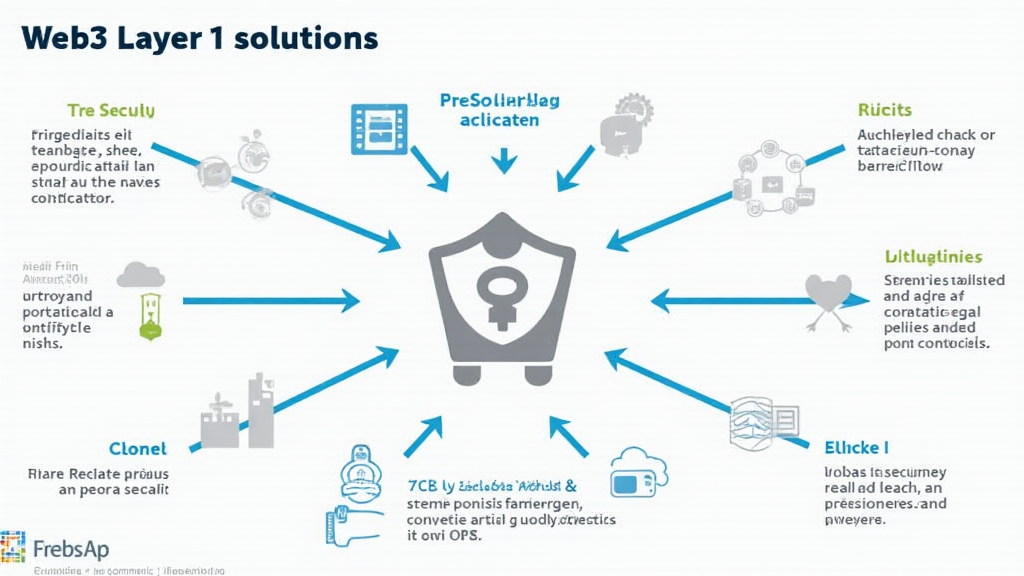
- Scalability: This involves a blockchain’s ability to handle an increasing load of transactions without compromising speed or efficiency. For instance, Ethereum currently processes about 15 transactions per second (TPS), while some layer 1 competitors can handle thousands of TPS, making them more attractive for widespread adoption.
- Security: In a decentralized environment, security is paramount. Web3 layer 1 solutions employ cryptographic methods to secure transaction data and protect against hacks and fraud. A robust framework ensures users can trust that their assets are safe.
Key Benefits of Web3 Layer 1 Solutions
Web3 layer 1 solutions offer several advantages that make them appealing for businesses and developers looking to create decentralized applications (dApps) and innovative blockchain projects. Here are some key benefits:
- Decentralization: Layer 1 networks are inherently decentralized, promoting trust and transparency in transactions. Users control their data without a central authority surveilling their actions.
- Enhanced Interoperability: Web3 layer 1 solutions often provide greater compatibility with various blockchain systems and protocols. This fosters collaboration and growth across different networks.
- User Ownership: The essence of Web3 is user empowerment. With layer 1 solutions, users maintain ownership of their assets, a stark contrast to traditional models where intermediaries hold assets on behalf of users.
Real-World Applications and Use Cases
The use cases for Web3 layer 1 solutions are diverse, ranging from finance to gaming and beyond. Numerous high-profile projects illustrate the potential:
- DeFi Platforms: Layer 1 solutions serve as the backbone for many DeFi applications, enabling users to lend, borrow, or trade assets without intermediaries.
- Gaming: With the rise of play-to-earn models, blockchain-based gaming platforms leverage layer 1 networks to provide secure, transparent in-game economies.
- Supply Chain Management: Blockchain can track the lifecycle of products from source to consumer, enhancing transparency and trust in supply chains.
Exploring Prominent Layer 1 Solutions in 2025
As the landscape evolves, several layer 1 solutions deserve a spotlight for their innovative approaches and potential growth:
- Ethereum 2.0: Expected to transition fully to a proof-of-stake model, enhancing scalability and energy efficiency while boosting security measures.
- Solana: Known for its exceptional speed and low fees, Solana is gaining traction for a variety of dApps and protocols.
- Cardano: Emphasizing research-led development, Cardano seeks to offer higher security and sustainability while facilitating smart contracts.
Recent Trends in the Vietnam Blockchain Market
Vietnam has emerged as a notable player in the blockchain sector, showcasing impressive user growth rates in digital currencies and DeFi. Reports suggest that the number of blockchain users in Vietnam has surged by over 40% annually, highlighting an increasing interest in cryptographic technologies.
Local projects are building on layer 1 solutions to leverage this growth, focusing on compliance and security aspects, often referred to as tiêu chuẩn an ninh blockchain.
Conclusion
As we delve deeper into the future of cryptocurrency and decentralized technologies, Web3 layer 1 solutions will inevitably play a pivotal role. They not only enhance scalability and security but also offer exciting applications across industries. As we look toward 2025 and beyond, the advancements and innovations within layer 1 networks could very well define the trajectory of the blockchain landscape. For businesses and individuals considering entering this space, understanding these foundational structures becomes imperative. Whether you are a developer aiming to build the next big dApp or an investor looking for opportunities, grasping the significance of Web3 layer 1 solutions is essential for navigating the evolving world of blockchain.
For further insights into navigating the cryptocurrency landscape and adopting best practices, visit hibt.com and explore more about Web3.


