



NFT Provenance Tracking: Ensuring Authenticity in Digital Assets
In recent years, the blockchain technology sector has witnessed exponential growth. With the NFT market hitting an astonishing $10 billion in sales in 2021 alone, ensuring the authenticity and provenance of these digital assets has become paramount. But why does NFT provenance tracking matter? With billions on the line, how do we protect our digital artworks and collectibles?
As digital assets continue to grow in popularity, the risks associated with fraud and counterfeiting escalate. Provenance tracking acts like a secure digital ledger, similar to how banks provide safety for physical assets. This article will delve into the importance of NFT provenance tracking, its mechanisms, its implications on the Vietnamese market, and future forecasts.
Understanding NFT Provenance
Provenance refers to the history of ownership of an art piece or collectible. For NFTs, it is crucial as it establishes which party possesses the rights to a digital asset and whether it is legitimate. Following the emergence of the NFT scene, owners and artists have sought a trustworthy way to validate authenticity.
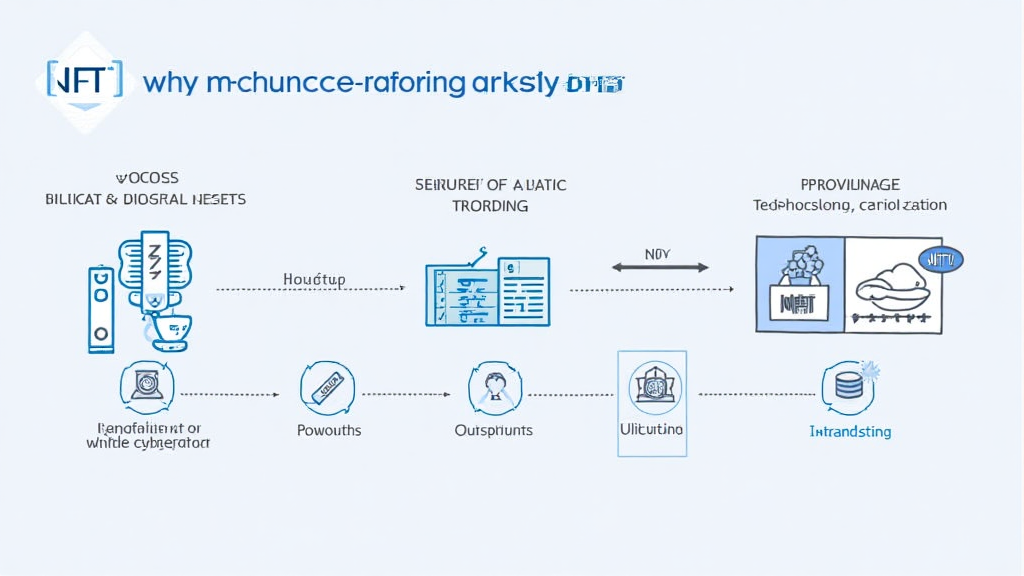
Why Provenance Matters
- Trust and Credibility: When an NFT is sold, the buyer typically wants assurance of originality. Provenance tracking offers transparency, reducing the chances of fraud exponentially.
- Value Determination: An NFT’s history can dramatically influence its market value. A digital art piece with a verifiable history of ownership will likely fetch a higher price than one without clear provenance.
- Royalty Payments: Creators can receive ongoing royalties if the original NFT’s transaction history is properly tracked, ensuring that artists continue to benefit from their work.
How NFT Provenance Tracking Works
NFT provenance tracking mechanisms store historical data on the blockchain. When an NFT is created or transferred, its details are recorded in a decentralized ledger.
Smart Contracts: The Backbone of Provenance Tracking
Smart contracts play a central role in NFT provenance. They contain the rules and conditions under which the NFT can be bought, sold, and transferred. This not only automates transactions but also locks the provenance data into the blockchain securely.
Here’s a simplified breakdown of how this works:
- Create the NFT: The digital asset is uploaded, metadata is generated, and it’s created on a specific blockchain.
- Track Ownership: Each transaction records the previous owner’s details and timestamps, ensuring ownership is transparent.
- Transfer the Asset: When sold or transferred, the smart contract automatically updates the new ownership on the blockchain.
The Vietnamese Market and NFT Provenance Tracking
The rise of digital assets is prevalent in Vietnam, with the country witnessing over 20% growth in its crypto user base in recent years. However, along with growth comes the responsibility to ensure security standards, or tiêu chuẩn an ninh blockchain, to protect both creators and investors.
Market Trends and Data
| Year | Vietnam Crypto Users (%) | NFT Market Growth (%) |
|---|---|---|
| 2021 | 13% | 300% |
| 2022 | 18% | 450% |
| 2023 | 23% | 600% |
According to Chainalysis, Vietnam’s NFT market is among the fastest growing in Southeast Asia, making the need for effective provenance tracking even more pressing. The local demographic is increasingly aware of the risks of counterfeit digital assets.
Challenges in Provenance Tracking
Despite its benefits, NFT provenance tracking faces several challenges:
- Data Sovereignty: Ownership of NFT data may not be clear if platforms store information off-chain.
- Regulatory Uncertainty: As the market evolves, regulatory standards need to catch up, which can add complexity to implementation.
- Technological Barriers: The market lacks uniformity in technology which can complicate interoperability.
Future of NFT Provenance Tracking in 2025
As we look towards 2025, the evolution of NFT provenance tracking will likely hinge on advances in technology, user education, and regulatory frameworks. Here are some predictions:
- Enhanced Security Protocols: New encryption methods will make provenance tracking even more secure.
- Increased Interoperability: Greater compatibility between different blockchain networks will ease the exchange and verification of NFTs.
- Wider Adoption: More mainstream artists and brands will foster a culture of trust through verified provenance.
As digital assets evolve, provenance will remain the cornerstone of authenticity, akin to how certification marks validate traditional art. A strong understanding of these mechanisms can lead to more robust investments for collectors.
In conclusion, NFT provenance tracking not only secures the digital asset economy but also instills a sense of trust and credibility among collectors and creators. By embracing these principles, the Vietnamese market can significantly enhance its crypto landscape and cut down the risks of fraud.
For those interested in NFT security and the latest market data, visit hibt.com to learn more about integrating provenance solutions.
As a closing note, we can never overlook the importance of keeping up-to-date with evolving standards to ensure a secure and trustworthy NFT ecosystem.
Author: Dr. Thanh Nguyen, a renowned blockchain security expert with over 15 publications in the field and led audits for various prominent crypto projects.


