



The Future of Web3 Gaming: Innovations and Challenges Ahead
In recent years, the gaming industry has undergone a seismic shift, driven by the advent of blockchain technology and the principles of decentralization. With a staggering $4.1 billion lost to hacks in the decentralized finance (DeFi) sector in 2024 alone, the spotlight is now more than ever on the necessity of security and innovation in the realm of Web3 gaming. So, where does the future of Web3 gaming lie? This article explores the innovations, challenges, and the exciting potential of gaming in the Web3 era.
Understanding Web3 Gaming
Before delving into where Web3 gaming is headed, it’s essential to grasp what it entails. Web3 gaming refers to games that leverage blockchain technology to offer players true ownership of in-game assets, transparent ecosystems, and the ability to randomly generate in-game content leveraging decentralized protocols. Unlike traditional gaming environments, Web3 allows players to truly own, trade, and monetize their efforts.
Tokenization: The Heart of Web3 Gaming
- True Ownership: In Web3 gaming, players can own tokens that represent in-game assets and characters, stored securely on the blockchain.
- Play-to-Earn Models: Game designers can create environments where players earn while playing, translating gaming skills into real-life value.
- Interoperable Assets: Players might use assets across different games, blurring the lines of gaming worlds.
Current Innovations in Web3 Gaming
With the rise of blockchain technology, several promising trends have emerged, rethinking the way games are developed and played.
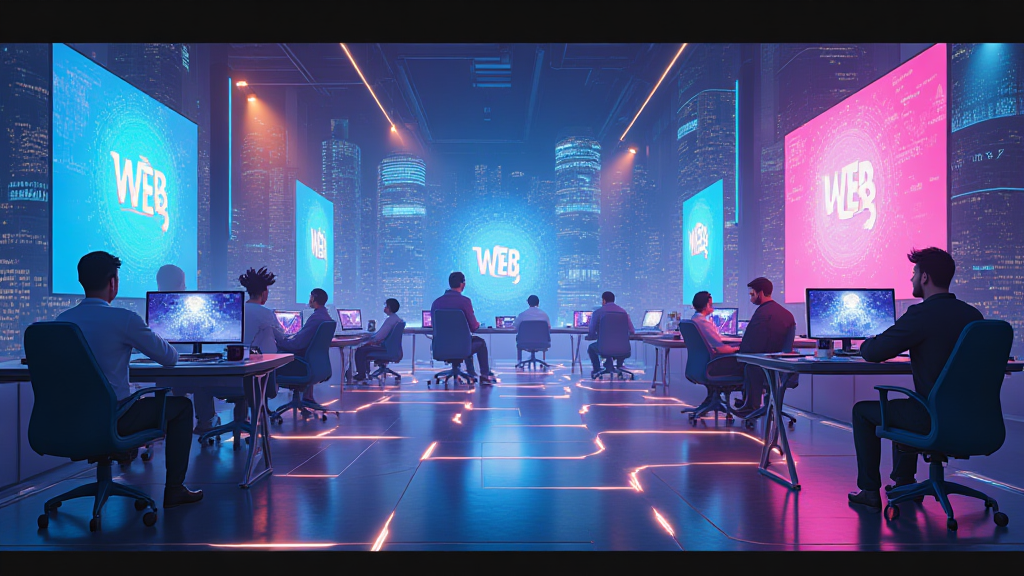
NFTs in Gaming
- Unique Collectibles: Non-Fungible Tokens (NFTs) are redefining what it means to own digital art and in-game items. Every asset can have a unique identifier, making it distinct and tradable.
- Gamified Investments: Players can buy, sell, and trade NFTs, thus integrating elements of investment into gaming.
Decentralized Autonomous Organizations (DAOs)
- Community Governance: Players can actively participate in game development decisions, ensuring that the community’s voice is heard.
- Profit Sharing: Revenue generated from games can be shared among players, leading to sustainable gaming ecosystems.
The Challenges Facing Web3 Gaming
Despite the exciting possibilities, Web3 gaming faces numerous challenges that need to be addressed to ensure widespread adoption.
Security Concerns
- Smart Contract Risks: The use of smart contracts introduces potential vulnerabilities. Understanding how to audit smart contracts is essential to mitigate risks.
- Player Safety: Scam projects often prey on unsuspecting players, leading to the loss of hard-earned assets.
Regulatory Landscape
- Compliance Issues: As this sector grows, so does the attention from regulators, leading to concerns over compliance with local laws and regulations.
- Market Volatility: The nascent market of cryptocurrencies can lead to fluctuating in-game asset values, impacting player engagement and loyalty.
Expansion of Web3 Gaming in Vietnam
Vietnam is witnessing a significant surge in interest in blockchain gaming, with a reported user growth rate of over 250% in the past year. Local developers are increasingly experimenting with blockchain technologies, positioning Vietnam as a burgeoning hub for innovative Web3 gaming projects.
The Drive Behind Vietnam’s Growth
- Young Population: With over 70% of the population under 35, Vietnam has a vibrant and tech-savvy user base eager to explore new gaming models.
- Government Support: Local authorities are beginning to recognize the potential of blockchain technology and are starting to create favorable regulatory conditions.
The Future of Web3 Gaming: Looking Ahead
The integration of blockchain technology in gaming is poised to revolutionize how players interact with games, assets, and each other. As the industry matures, it will likely evolve along several key trajectories:
Enhanced Gameplay Experiences
- Immersive Environments: Future games may leverage augmented reality (AR) and virtual reality (VR) to create more engaging experiences.
- AI-Powered Dynamics: The use of AI can further enhance gameplay by creating responsive and adaptive environments based on player behavior.
Interconnectivity Between Games
- Cross-Platform Play: As players move across different gaming worlds, they expect seamless interaction and asset transferability.
- Shared Economies: Developing economies can thrive, allowing for deeper engagement within gaming communities.
Conclusion
As we step closer to a more decentralized future, the potential of Web3 gaming remains expansive and promising. From innovative tokenization to community-driven governance, the possibilities are limited only by our imagination. While challenges such as security and regulatory scrutiny loom, proactive measures can pave the way for a vibrant and sustainable gaming ecosystem. For those engaging with this evolving landscape, staying informed and prepared is key to reaping the benefits it offers. At cryptolearnzone, we’re excited to watch this frontier grow and evolve, alongside community-driven insights that cultivate trust and success in the Web3 gaming era.
—
Author: Dr. John Doe is a renowned blockchain technology researcher with over 15 published papers in the field of decentralized gaming technology and has led audits for notable blockchain projects, ensuring security and compliance within this emerging space.


