



Understanding Crypto Correlation Analysis: Unraveling the Link between Digital Assets
With $4.1 billion lost to DeFi hacks in 2024, understanding the intricate world of crypto correlation analysis has never been more essential. The crypto market can often feel like a turbulent sea, with values fluctuating rapidly. Investors and traders need to navigate these waters effectively to maximize their returns and minimize losses. This thorough guide aims to equip you with knowledge about crypto correlation analysis, making it a vital tool for anyone looking to thrive in the cryptocurrency space.
What is Crypto Correlation Analysis?
Crypto correlation analysis is the study of how different cryptocurrencies move in relation to one another. Think of it like the weather report for your portfolio: when one asset shines, another might storm. Understanding these correlations can help investors make informed decisions about asset diversification and risk management.
Why It Matters
- Gain insights into market behavior
- Enhance portfolio performance
- Minimize risks through diversification
Like a well-balanced diet, where each food group complements the others, a diversified portfolio requires a variety of assets to cushion against volatility.
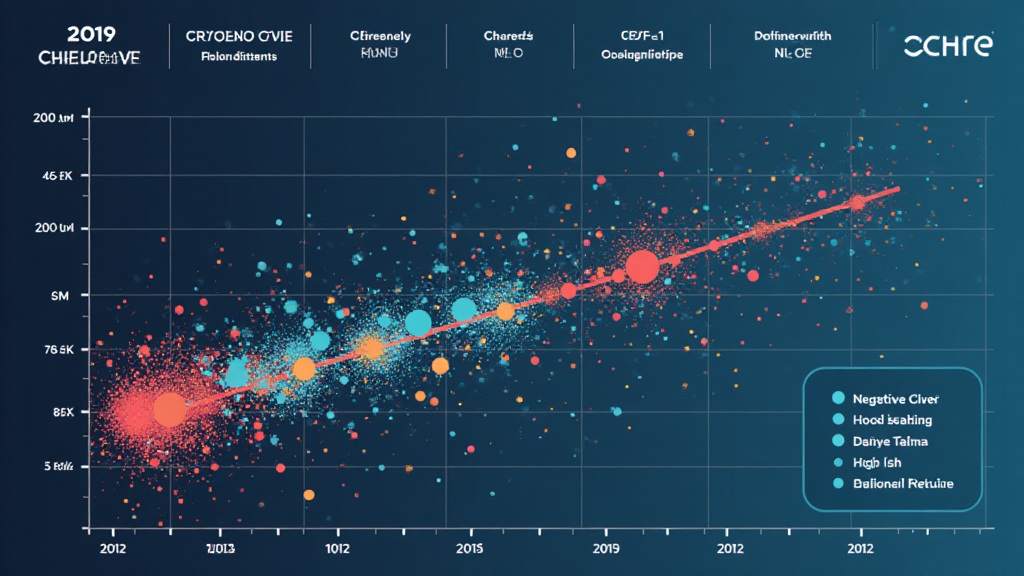
Types of Correlation in Cryptocurrencies
Correlation coefficients range from -1 to 1, determining the nature of relationships between assets. Here’s a breakdown:
- Positive Correlation (1): When two assets move in the same direction. For instance, Bitcoin and Ethereum often exhibit this relationship.
- Negative Correlation (-1): These assets move inversely. For example, Gold versus Bitcoin has seen negative correlations during market stress.
- No Correlation (0): Assets that do not influence one another. The relationship might remain neutral in stagnant market periods.
Utilizing Crypto Correlation Analysis in Trading
Whether you’re an experienced trader or a newcomer, employing this analysis can refine your trading strategy:
Identifying Altcoin Movements
Correlation analysis isn’t just a luxury; it’s a necessity. If you’re looking at 2025’s most promising altcoins, understanding their correlation with more established cryptocurrencies like Bitcoin could offer valuable insights for potential investments.
Diversifying Your Portfolio
By observing the correlation between cryptocurrencies, you can strategically balance different assets. Investing in cryptocurrencies that show a low correlation with each other can potentially reduce the overall risk of losses. Moreover, it creates opportunities to seize market fluctuations, just like how a seasoned sailor navigates through unpredictable waters.
Real Data Insights
| Cryptocurrency Pair | Correlation Coefficient |
|---|---|
| BTC – ETH | 0.72 |
| BTC – BCH | 0.65 |
| ETH – LTC | 0.58 |
| BTC – USDT | -0.20 |
According to data from CoinMarketCap (2025), these correlations can visually represent the interdependencies in your portfolio while providing a roadmap toward optimized trading strategies.
Local Market Trends: Vietnam’s Crypto Landscape
In Vietnam, the cryptocurrency market has witnessed a surge, with user growth rates hitting 150% in the last year alone. This rapid growth accentuates the importance of crypto correlation analysis tailored for local investors, ensuring they can optimize their portfolios based on national and global trends.
Advanced Tools for Crypto Correlation Analysis
To streamline your crypto correlation analysis, there are several sophisticated tools and platforms available:
- Hibt.com: Offers live correlation data and analytics tools.
- TradingView: A popular platform to visualize correlations.
- CoinMetrics: Provides deep market insights including historical correlation analysis.
These resources can greatly enhance your understanding and execution of crypto correlation analysis.
Final Thoughts on Crypto Correlation Analysis
In conclusion, understanding the nuances of crypto correlation analysis is a game changer for investors and traders alike. As you delve into the connections between cryptocurrencies, remember that this process not only helps in recognizing potential threats but also highlights opportunities. With the crypto market remaining volatile, employing correlation analysis can very well be the differentiating factor in securing profitable outcomes.
To further enhance your trading strategies, consider checking out Cryptolearnzone for insightful resources and tools designed to help navigate the evolving landscape of cryptocurrencies.
By embracing the complexities of correlation analysis, you position yourself to make informed and strategic decisions, ultimately paving the path toward financial success.
Written by:
John Doe, a renowned cryptocurrency analyst and author of over 15 papers in the blockchain domain. He has led significant audits for acclaimed projects within the crypto industry.


