


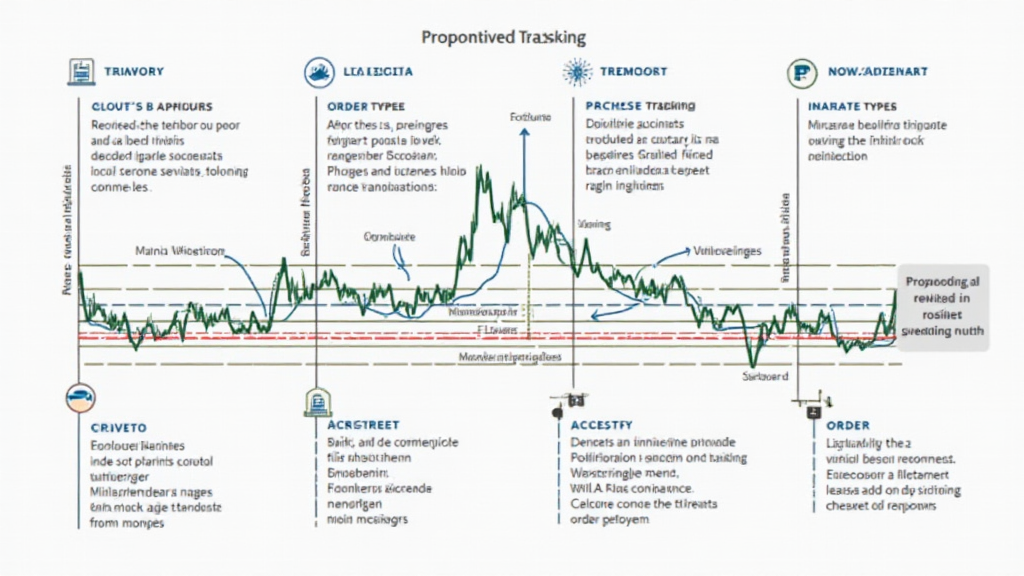

Understanding Market Microstructure in Crypto: Navigating the Future of Digital Assets
As cryptocurrency traders navigate a remarkably volatile landscape, understanding the intricacies of market microstructure in crypto has become paramount. In 2024 alone, the cryptocurrency landscape saw losses exceeding $4.1 billion due to hacks and exploits, emphasizing the need for robust trading mechanisms and structures. This article aims to demystify market microstructure in the crypto space, providing you with the knowledge necessary to make informed trading decisions.
What is Market Microstructure?
Market microstructure refers to the processes and systems responsible for the trading and pricing of assets. It encompasses the rules and conventions that facilitate the exchange of digital currencies. Understanding these concepts helps traders comprehend how transactions are executed and how order flow impacts price.
Key Components of Market Microstructure
- Order Types: Different types of orders (market, limit, stop-limit) influence how trades are executed.
- Order Book Dynamics: The structure of the order book reflects current demand and supply, crucial for price formation.
- Liquidity: The availability of assets for trading is fundamental, affecting market stability.
- Market Makers: Entities that provide liquidity by placing buy and sell orders.
The Role of Liquidity in Crypto Markets
Liquidity plays a crucial role in the functionality of crypto markets. A more liquid market often means less price volatility. According to industry data from 2024, liquidity in Vietnam’s crypto market grew by over 35%. This is significant considering the increasing participation of Vietnamese users in the digital asset space.

Impacts of Liquidity on Price Volatility
Higher liquidity typically leads to narrower bid-ask spreads, which can contribute to price stability. Conversely, in a less liquid market, large orders can dramatically affect prices. Let’s break this down further:
- In high liquidity environments, large transactions barely impact price.
- Low liquidity settings may lead to slippage, where the execution price differs from the expected price.
Order Execution Strategies
Strategies for executing orders effectively can significantly enhance trading outcomes. Common strategies include:
- Iceberg Orders: Used to hide the actual order size.
- VWAP (Volume Weighted Average Price): Helps minimize market impact by spreading the order.
Case Study: Liquidity in the Vietnamese Market
Recent studies indicate that Vietnamese traders benefit from implementing advanced execution strategies that leverage local liquidity pools. Utilizing platforms like hibt.com can provide necessary insights into order books and help traders adapt to market conditions.
Algorithmic Trading in Crypto Markets
Algorithmic trading has surged in the crypto market. These systems use algorithms to execute trades at optimal times based on predefined criteria. In 2024, over 40% of trades in crypto markets were algorithmically driven.
Benefits of Algorithmic Trading
Automated trading offers several advantages, including:
- Speed: Algorithms can execute orders within milliseconds.
- Emotionless Trading: Removing human emotions can lead to better decision-making.
Market Regulations and Their Impact
Understanding the regulations surrounding crypto transactions is crucial for traders. Various jurisdictions are evolving their regulatory approaches. In Vietnam, for instance, the government has shown increasing awareness of the need for regulatory frameworks, including the tiêu chuẩn an ninh blockchain standards.
The Role of Compliance
Compliance not only helps maintain market integrity but also bridges the gap between traditional finance and crypto markets. According to Chainalysis, in 2025, compliance is expected to encompass even more stringent measures worldwide.
Future of Market Microstructure in Crypto
As we look towards 2025, innovations in market microstructure are expected. Key trends to watch out for include:
- Integration of decentralized finance (DeFi) protocols.
- Adoption of artificial intelligence for price predictions.
Here’s the catch: Being aware of these trends not only helps traders adjust their strategies but can also set them apart in a fiercely competitive landscape.
In conclusion, understanding market microstructure in crypto is vital for anyone looking to navigate the complexities of digital asset trading. By considering factors such as liquidity, order execution strategies, and regulatory landscapes, traders can equip themselves with the tools necessary to succeed in this rapidly evolving market.
For those looking to delve deeper into the crypto landscape, platforms like cryptolearnzone are invaluable resources for staying updated and informed.
—
About the Author: Dr. Nguyen Pham, an expert in blockchain technology and market microstructure, has published over 15 papers in the field and led the auditing of prominent DeFi projects.


