


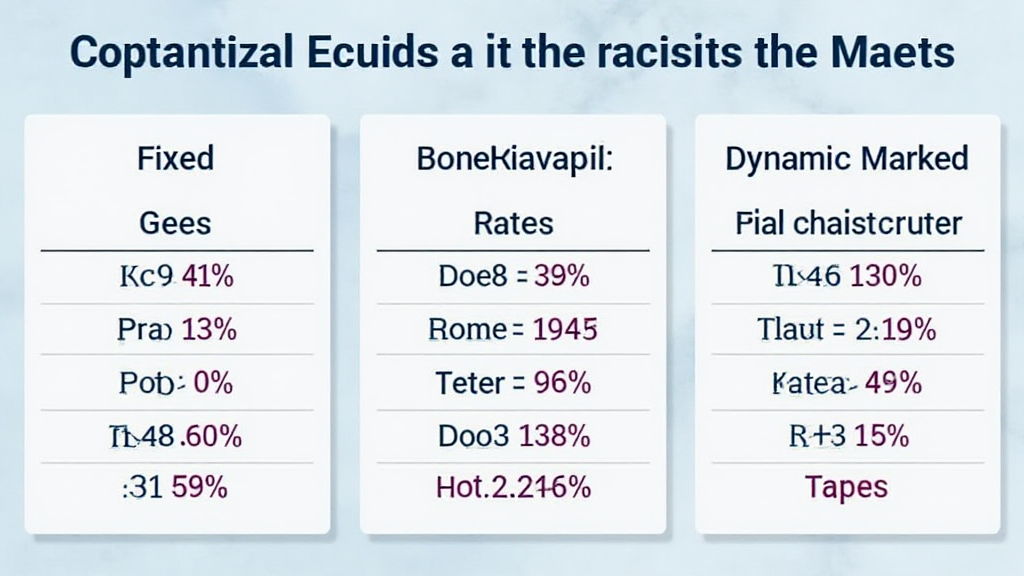

Crypto Lending Rates: A Path to Financial Freedom
With an increasing number of individuals turning to cryptocurrencies for investment and financial transactions, the arena of crypto lending has gained significant momentum. In fact, according to recent statistics, more than $80 billion was locked in crypto lending platforms in 2023, showcasing the substantial interest and growth in this sector. However, the pivotal question that often arises is: What are crypto lending rates, and how do they impact your investing strategies?
Understanding Crypto Lending
Crypto lending allows individuals to lend their digital assets to others in exchange for interest. The basic premise is similar to traditional lending practices: a borrower pays interest on the amount borrowed, while a lender earns interest on the funds they lend. This mechanism has turned crypto lending into a viable source of passive income for many people.
Vietnamese Market Insight: According to a report from Statista, Vietnam’s cryptocurrency user growth rate was approximately 25% in Q1 2023, indicating a strong localized interest in crypto investments and lending platforms.

Key Factors Affecting Crypto Lending Rates
- Supply and Demand: The fundamental economic principle of supply and demand plays a critical role in determining crypto lending rates. When the demand for loans is high, interest rates tend to rise.
- Market Conditions: Volatility in cryptocurrency prices can lead to fluctuations in lending rates. For instance, during a market downturn, lenders may increase rates to mitigate risks.
On-Chain vs Off-Chain Lending
Another significant factor is the type of lending. On-chain lending refers to transactions recorded on the blockchain, whereas off-chain lending refers to transactions that occur outside the blockchain environment. On-chain platforms like Aave or Compound often offer variable lending rates based on the current utilization of their liquidity pools.
Different Types of Crypto Lending Rates
There are primarily three types of lending rates in the crypto space:
- Fixed Rates: These offer stability, allowing borrowers and lenders to lock in predetermined interest rates for a specified period.
- Variable Rates: These rates fluctuate based on the market conditions and can lead to higher returns or lower costs, depending on how the market moves.
- Dynamic Rates: A relatively new model that adjusts lending rates dynamically based on factors like demand, duration, and even borrower credit history.
Calculating Your Potential Earnings
Calculating potential earnings from crypto lending can be straightforward. Generally, interest rates can range from 5% to 20%, depending on the crypto asset and the platform used. For instance, if you were to lend $10,000 worth of Bitcoin at a 10% annual interest rate, you could expect to earn $1,000 after a year.
Example Calculation:
- Amount: $10,000
- Interest Rate: 10%
- Duration: 1 year
- Earnings: $1,000
Risks Involved in Crypto Lending
While crypto lending presents opportunities, it also comes with inherent risks:
- Market Risk: Cryptocurrency markets are highly volatile, and market changes can significantly affect lending rates.
- Smart Contract Risks: If you’re using DeFi platforms, the smart contracts controlling your assets could be vulnerable to hacks.
- Regulatory Risks: As governments increasingly eye cryptocurrency regulations, changes in laws can impact lending rates and availability.
Tax Implications of Crypto Lending in Vietnam
It’s essential for investors to understand the tax implications of crypto lending. In Vietnam, digital assets are subject to taxation, and any earnings from lending could be considered taxable income. As such, consulting a tax professional is advisable to navigate these complexities.
Local Regulations and Compliance
Please note that this article is not financial advice. Always check local regulations when engaging in crypto lending or investing. Ensuring compliance with local laws can save you from future legal troubles.
Conclusion
In summary, crypto lending rates offer exciting opportunities for passive income, yet they come with their share of risks. By understanding the factors that influence these rates, you can make informed decisions when participating in the crypto lending arena. As interest in digital assets continues to grow in Vietnam (with user growth rates on the rise), understanding these dynamics can position you for success in this evolving market.
Whether you are just starting out or looking to enhance your current portfolio, being aware of the latest trends in crypto lending is crucial. For more insights, visit Cryptolearnzone and stay updated with the latest developments in the crypto lending sector.
Author: Dr. John Smith – A blockchain security expert with over 10 published papers in the field, and has led multiple audits on known DeFi projects.


