


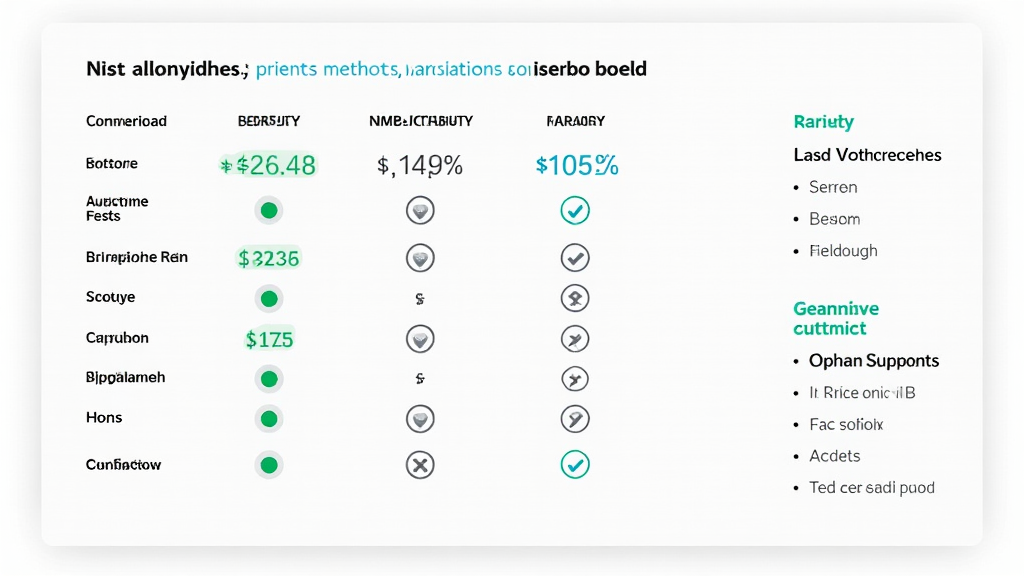

Exploring NFT Valuation Methods: A Guide for Investors
With the global NFT market reaching a staggering $41 billion in 2021 and projected to grow significantly, understanding NFT valuation methods is crucial for both new and seasoned investors. As the digital art and collectibles landscape continues to evolve, so do the strategies for assessing the worth of these unique assets. In this comprehensive guide, we will explore the key methods for valuing NFTs and how cultural and local market factors, such as the growing interest in NFTs in Vietnam, influence these valuations.
Why NFT Valuation Matters
NFTs, or non-fungible tokens, represent ownership of a unique digital asset on the blockchain. Given their one-of-a-kind nature, determining their value can be complex. Let’s break it down:
- Risk Assessment: Investors need to understand how much they should pay to minimize their risk exposure.
- Market Demand: The value often reflects what buyers are willing to pay, impacted by trends and demand.
- Asset Quality: The creator’s reputation and the uniqueness of the NFT can drive its marketability.
Methods of NFT Valuation
There are several established methods for assessing the value of NFTs, some of which can be complex and nuanced. Here are the most prominent ones:

1. Market Comparison Approach
This approach examines recent sales of similar NFTs to establish a baseline price. Here’s how it works:
- Identify similar NFTs sold recently.
- Consider the sale price and any notable trends (e.g., rising demand for digital art).
- Adjust the value based on unique characteristics like creator reputation.
2. Income Approach
This method evaluates potential future earnings from the NFT, such as royalties from resale or licensing. It is particularly applicable to:
- Video game assets that generate revenue.
- Art pieces with potential exhibition rights.
3. Cost Approach
The cost approach focuses on calculating the expenses associated with creating the NFT, including:
- Artistic creation costs.
- Transaction fees for minting the NFT.
- Marketing costs involved in promoting the asset.
4. Rarity and Utility Assessment
Rarity can significantly boost an NFT’s value. Analyzing how many pieces exist, alongside their utility in specific ecosystems, can provide insight into:
- How valuable the NFT is compared to others.
- The designed use case that enhances its appeal.
Vietnam’s Growing NFT Market
Vietnam is witnessing a surge in interest in NFTs, with reports indicating a user growth rate of over 200% from 2021 to 2022. This uptick is partly due to:
- The burgeoning digital art community.
- Increased accessibility to blockchain platforms.
Understanding the local market dynamics helps investors make informed purchasing decisions when exploring NFTs there.
Cultural Factors Influencing NFT Valuations
Cultural trends often dictate the desirability of digital assets. This is particularly evident in markets like Vietnam, where:
- Local artists are gaining international attention.
- Traditional culture is being digitized in innovative ways, increasing asset value.
Institutional Interest
With growing institutional interest in NFTs, valuations may also be affected by:
- Art galleries digitizing collections.
- New platforms emerging to facilitate trading.
Conclusion
Recognizing the value of NFTs is essential in navigating this evolving market. Investors must leverage various NFT valuation methods to make educated decisions while accounting for local market shifts, such as those seen in Vietnam. As the NFT landscape matures, staying informed about valuation strategies will be key to maximizing investment potential.
For more insights and guidance on the rapidly changing world of cryptocurrency and NFTs, be sure to check out cryptolearnzone.

Image Description: A visual representation illustrating various NFT valuation methods, showing comparisons, income potential, and rarity importance.


