



Decentralized Identity Solutions: Revolutionizing Online Security
In an era where cyber threats loom large and data breaches cost businesses millions, establishing a secure digital identity has never been more crucial. As of 2024, the global cost of data breaches has surged to an astonishing $4.1 billion, pushing the boundaries of data protection into new territories. With rapid advancements in blockchain technology, decentralized identity solutions are emerging as a robust alternative to traditional identity management methods.
This article explores the ins and outs of decentralized identity solutions, emphasizing their potential to redefine security protocols in digital transactions and personal identification processes. We will delve into how these cutting-edge solutions enhance trust, privacy, and reliability in various sectors.
Understanding Decentralized Identity
Decentralized identity encompasses a framework where individuals have complete control over their online identities, distinct from traditional systems that rely on central authorities. Unlike conventional methods where personal information is stored on central servers, decentralized identities exist on the blockchain, providing users with autonomy and security.
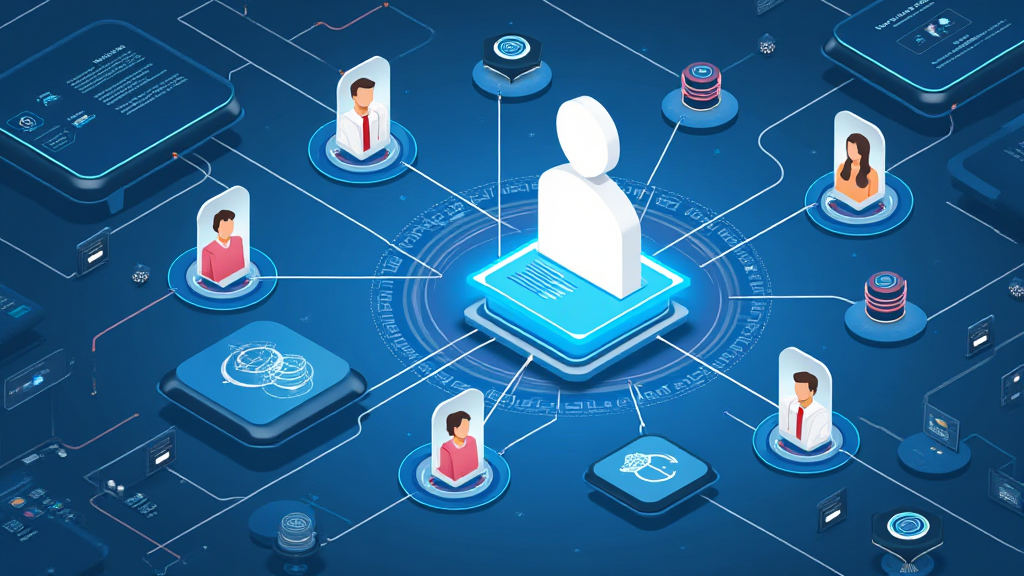
“In digital identity systems, individuals are often at the mercy of centralized entities like governments and corporations,” explains Dr. Nguyen Minh, a blockchain expert who has published over 15 papers on identity solutions. “However, with decentralized identity, users can manage their information, granting access and sharing only what is necessary. “
The Mechanics of Decentralized Identity
So, how does this system work? Here’s a breakdown of the mechanics:
- Blockchain Backing: Every decentralized identity is anchored on a blockchain, which acts as a tamper-proof ledger for all identity transactions.
- Self-Sovereign Identity (SSI): Users create and control their identity without external dependencies, ensuring data privacy.
- Verifiable Credentials: Users can hold cryptographic proofs of their identity (like diplomas or licenses) that can be shared with third parties securely.
- Decentralized Identifiers (DIDs): Each user is assigned a unique identifier that can’t be linked back to them without their consent.
This model essentially acts like a digital vault for personal data, allowing users to choose what information to share. Given these mechanisms, let’s explore the various use cases of decentralized identity solutions.
Use Cases of Decentralized Identity Solutions
The applications for decentralized identity are expansive. Here are a few critical areas that are experiencing a significant transformation:
1. Financial Services
With experts predicting that a third of the global population will adopt decentralized finance (DeFi) solutions by 2025, financial institutions are exploring decentralized identity for KYC (Know Your Customer) processes. For example, integrating decentralized identity can enhance security while reducing compliance costs for banks.
Imagine a world where individuals don’t need to show a passport every time they want to open an account; instead, they simply share a digitally verified credential—a verifiable credential issued by a trusted authority. This could speed up onboarding and make financial services more accessible.
2. Healthcare Industry
Healthcare has often been plagued by breaches; in fact, 54% of healthcare organizations reported a data breach in 2023 alone. Here, decentralized identity can ensure patient data privacy while improving access. For instance, patients could control who accesses their medical records, streamlining processes while safeguarding privacy.
The practicality of decentralized identity is akin to carrying a medical history in your pocket while maintaining privacy. When a doctor needs access to your medical records, you grant them permission right from your device.
3. E-Governance
As governments worldwide strive to digitize services, implementing decentralized identity solutions can pave the way for secure citizen interactions. Voter registrations, tax filings, and civil services can all be handled securely with user-held identities.
Consider a scenario where voting takes place on a blockchain with each vote tied to a verified identity, ensuring election integrity—this eliminates the need for trust in a centralized system.
Challenges to Overcome
While decentralized identity solutions hold promise, there are challenges that must be addressed:
- Technological Barriers: The technology still requires robust frameworks that support widespread adoption.
- Standardization Issues: The absence of unified standards for decentralized identities can cause fragmentation across platforms.
- User Adoption: There’s a learning curve for the average user to effectively manage their decentralized identity.
These challenges have critical implications for the implementation of decentralized identity solutions. However, with ongoing advancements in blockchain technology, collaboration among stakeholders will pave the way forward.
Vietnam’s Growth in Decentralized Identity Solutions
As Vietnam makes strides in blockchain adoption, the nation has observed an increase in user demand for secure identity solutions. Recent statistics indicate that the number of blockchain users in Vietnam has risen by 30% in the past year alone. This surge is largely driven by the younger demographic keen on digital experiences.
Moreover, initiatives led by the Vietnamese government aim to integrate blockchain solutions into public services. As such, ambitious projects involving decentralized identities are expected to emerge in various sectors, promising enhanced security and reliability.
Conclusion
The evolution of decentralized identity solutions represents a paradigm shift in how we perceive online identity management. These solutions pledge not only greater security and privacy but also empower users by placing identity control back into their hands. While challenges persist, the potential benefits are undeniable.
As we forge ahead, integrating decentralized identities into mainstream practices will redefine security landscapes across industries. There’s no denying that decentralized identity solutions promise to reshape the future in a way that is more inclusive, efficient, and secure.
For more insights on blockchain security and identity management, visit hibt.com. This is your comprehensive guide to explore how decentralized identity solutions are revolutionizing the digital landscape.
Author
Dr. Mai Linh
A recognized authority in the field of blockchain technology, Dr. Mai Linh has authored over 20 papers and led audits on major blockchain projects. She is actively involved in promoting secure digital practices in emerging markets.


