



Decentralized Identity Solutions: Empowering the Future of Digital Identity
In an age where digital identity theft is on the rise, with reports indicating over $4.1 billion lost to fraud in 2024, the need for reliable decentralized identity solutions has never been more critical. These solutions address the security and privacy challenges faced by users in the digital space. As we delve deeper into the concept of decentralized identity, we will uncover its significance, potential applications, and how it can transform user interactions in the crypto landscape.
Understanding Decentralized Identity
Decentralized identity refers to a model where users have full control over their digital identities without the interference of any centralized authority. This, much like having a personal vault for your valuables, allows individuals to store their identification information securely and share it selectively. Recent studies show that approximately 70% of internet users are concerned about their online privacy, highlighting the necessity for decentralized systems.
The Traditional Identity Paradigm: Limitations
- Centralized control risks: Major data breaches have exposed millions of users’ personal information.
- Lack of privacy: Traditional models often require users to surrender their personal data to access services.
- Data monetization: Corporations leverage user information for financial gain without user consent.
Recognizing these limitations forms the backbone of the shift towards decentralized identity solutions, enabling users to manage their identities efficiently.
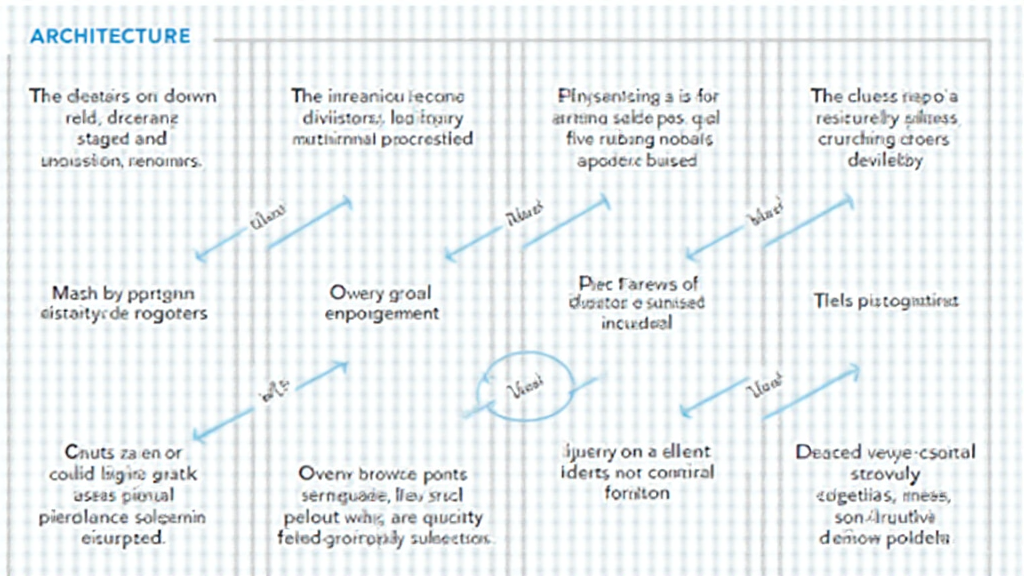
The Architecture of Decentralized Identity Solutions
The architecture of decentralized identity solutions generally comprises three key components: identity registries, verifiable credentials, and decentralized identifiers (DIDs). This structure empowers users with unprecedented control and security.
1. Identity Registries
Just like a public ledger maintains records of transactions, identity registries store users’ identities securely while allowing them to retain control over their data. The use of blockchain technology ensures transparency and immutability, fostering trust in the system.
2. Verifiable Credentials
Verifiable credentials act as digital proofs of identity, enabling users to share information with third parties selectively. For example, a user might want to validate their age without revealing their full birth date. Using verifiable credentials, this can be accomplished easily, much like showing a driver’s license without disclosing your exact age.
3. Decentralized Identifiers (DIDs)
DIDs serve as unique identifiers for individuals that are not tied to any centralized registry. They can be created and managed by the individual themselves, providing a robust layer of privacy and security.
Benefits of Decentralized Identity Solutions
The shift towards decentralized identity solutions presents compelling benefits, especially for users in Vietnam, where the growth rate of digital identity demand is remarkable.
- Enhanced Security: Using decentralized platforms reduces the risk of centralized data breaches.
- Greater Privacy: Users control what data they share and with whom, ensuring their privacy.
- Increased Accessibility: Decentralized identity solutions can provide services to unbanked populations, enabling them to access digital services.
- Cost Efficiency: Reducing reliance on intermediaries can lower costs associated with identity verification.
Challenges Ahead for Decentralized Identity Solutions
While the prospects are promising, several challenges must be addressed to facilitate widespread adoption:
- Regulatory Compliance: Navigating the evolving regulatory landscape can be daunting for decentralized systems.
- User Education: Many users are still unaware of how decentralized identities work.
- Interoperability: Ensuring different decentralized systems work seamlessly together is essential for user adoption.
Use Cases of Decentralized Identity Solutions
Several industries stand to gain from adopting decentralized identity solutions. Here’s how:
Healthcare
In healthcare, patient data privacy is of utmost importance. Decentralized identity solutions allow patients to share their medical records securely with healthcare providers, enhancing health outcomes while maintaining privacy.
Financial Services
For the financial services sector, decentralized identity can streamline know-your-customer (KYC) processes and enhance security against fraud. Institutions can reduce overhead costs and improve onboarding experiences.
Travel and Hospitality
Traveling often requires individuals to present identification. With decentralized identities, users can secure and share their details without fear of exposure, significantly enhancing user experience.
Conclusion: Shaping the Future with Decentralized Identity Solutions
As technology continues to evolve, decentralized identity solutions will play an increasingly pivotal role in how we manage and protect our digital identities. They provide unmatched levels of security, privacy, and control while also addressing the growing demand for safe interactions in the crypto era. With the ongoing growth of the Vietnamese digital market, these solutions are set to empower users, promoting safety and confidence in digital transactions.
Moving forward, it will be essential to address the challenges and promote education around these solutions to unlock their full potential. By fostering a collaborative environment among stakeholders, we can revolutionize the digital identity landscape, making it safer for everyone.
For further insights into the world of finance, tax regulations in Vietnam, or blockchain technology, explore our knowledge base on cryptolearnzone.
Expert Author: Alex Thompson
A leading voice in the blockchain space, Alex has authored over 15 publications on decentralized systems, while also heading audits for notable projects including Ethereum and Chainlink.


