



Understanding Bitcoin Peer-to-Peer Transactions: How They Transform the Cryptocurrency Landscape
With the rise of Bitcoin and other cryptocurrencies, the way we think about money and transactions has permanently transformed. In recent years, over $4.1 billion has been lost in DeFi hacks, highlighting the urgent need for transparency and security in financial transactions. Bitcoin offers a solution through its innovative peer-to-peer (P2P) technology, allowing users to transact directly without the need for intermediaries. In this comprehensive guide, we will explore the fundamentals of Bitcoin peer-to-peer transactions, how they work, and their implications for the future of finance.
What are Bitcoin Peer-to-Peer Transactions?
At its core, a Bitcoin peer-to-peer transaction is a process where transactions are conducted directly between users without the intercession of a financial institution. This leads to greater autonomy for individuals, enabling them to retain total control over their finances. Let’s break it down further:
- Direct Communication: Users can connect directly via the Bitcoin network, sending and receiving funds with relative ease.
- Decentralization: By removing a middleman, Bitcoin transactions reduce the potential for fraud and corruption.
- Global Accessibility: Anyone with an internet connection can participate in the Bitcoin network, breaking down traditional economic barriers.
The Mechanics of Bitcoin P2P Transactions
To understand how Bitcoin peer-to-peer transactions work, it’s essential to grasp some key components:
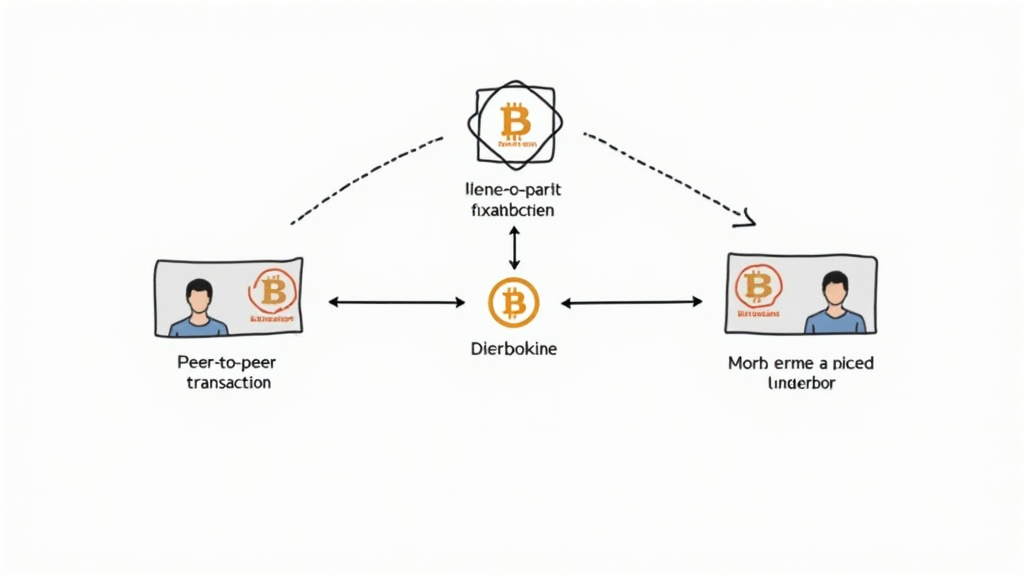
- Blockchain Technology: Bitcoin transactions are recorded on a blockchain, a public ledger that ensures transparency and security.
- Mining: Miners validate transactions by solving complex mathematical problems, contributing to the integrity of the network and earning Bitcoin in return.
- Wallets: Users store their Bitcoins in digital wallets, ensuring secure and easy access to their funds.
Each transaction is time-stamped and encrypted, creating a permanent and unalterable record. Similar to a bank vault protecting physical assets, the Bitcoin blockchain safeguards digital wealth.
The Importance of Security in Bitcoin Transactions
In today’s increasingly digital world, cybersecurity is paramount. The rise in cryptocurrency adoption has also led to heightened attention to the security of peer-to-peer transactions.
- Encryption: Bitcoin leverages strong cryptographic algorithms that secure transaction details against unauthorized access.
- Consensus Mechanisms: A majority agreement among network participants is required to validate transactions, preventing malicious activities.
- Regular Updates: The Bitcoin community continuously works to update and improve security protocols to fend off attacks.
As of 2025, according to Chainalysis, approximately 60% of Bitcoin users rely on P2P transactions, showcasing the level of trust in this technology.
Challenges and Risks in Bitcoin P2P Transactions
While Bitcoin offers an exciting range of benefits, it also comes with its set of challenges. Some of the notable risks include:
- Market Volatility: The price of Bitcoin can fluctuate dramatically, leading to potential losses in value during transactions.
- Regulatory Concerns: Different countries have varying stances regarding Bitcoin legality, impacting its usability.
- Fraud and Scams: Users must remain vigilant against scams that exploit the trustless nature of P2P transactions.
According to recent research, Vietnam saw a remarkable 250% increase in blockchain users in 2023, prompting local governments to address regulatory frameworks for cryptocurrencies.
Future Trends in Bitcoin P2P Transactions
As technology continues to evolve, we can expect several trends in Bitcoin peer-to-peer transactions:
- Increased Adoption: More businesses are likely to accept Bitcoin, expanding its use in daily transactions.
- Improved Regulations: Governments worldwide will aim for balanced regulations providing security while fostering innovation.
- Innovative Solutions: The industry will witness advancements in wallets and platforms to enhance user experience in transactions.
As we look toward 2025, it’s crucial to remain informed about the evolving landscape of cryptocurrency and how Bitcoin’s capabilities can be harnessed for various financial applications.
In conclusion, Bitcoin peer-to-peer transactions are changing the way we engage with money, providing unmatched autonomy and security. Understanding the mechanisms, benefits, and challenges will empower you to navigate this intricate digital terrain confidently. The future of finance is undoubtedly heading toward a decentralized paradigm, and embracing Bitcoin is an integral part of that journey. For more insights, visit hibt.com and stay informed about the latest developments in the crypto world. Remember, this is not financial advice—always consult local regulators and do your due diligence.
Author: Nhat Nguyen, a blockchain technology researcher with over 15 published papers in digital finance, has led numerous auditing projects for blockchain systems across Asia.


