



NFT Lending Protocols: The Future of Digital Asset Lending
With over $4.1 billion lost to hacks in the DeFi sector in 2024, the importance of secure and innovative financial solutions in the crypto space has never been more evident. Enter NFT lending protocols, a rapidly emerging trend that is reshaping how individuals leverage their digital assets. This article will provide a thorough exploration of NFT lending protocols, discussing their mechanics, advantages, and relevance in today’s market, especially targeting the burgeoning interest in Vietnam.
What Are NFT Lending Protocols?
NFT lending protocols are decentralized platforms that enable users to borrow and lend NFTs (Non-Fungible Tokens) in exchange for various forms of collateral or interest payments. Much like conventional lending but tailored for digital assets, these protocols allow users to unlock the value of their NFTs without having to sell them.
Here’s the catch: NFTs, often viewed primarily as collectibles, can also act as collateral, providing liquidity in the form of borrowed crypto assets. For instance, a user may lock up their rare digital artwork as collateral and receive Ethereum in return, which they can use for trading or investing.

The Mechanics Behind NFT Lending Protocols
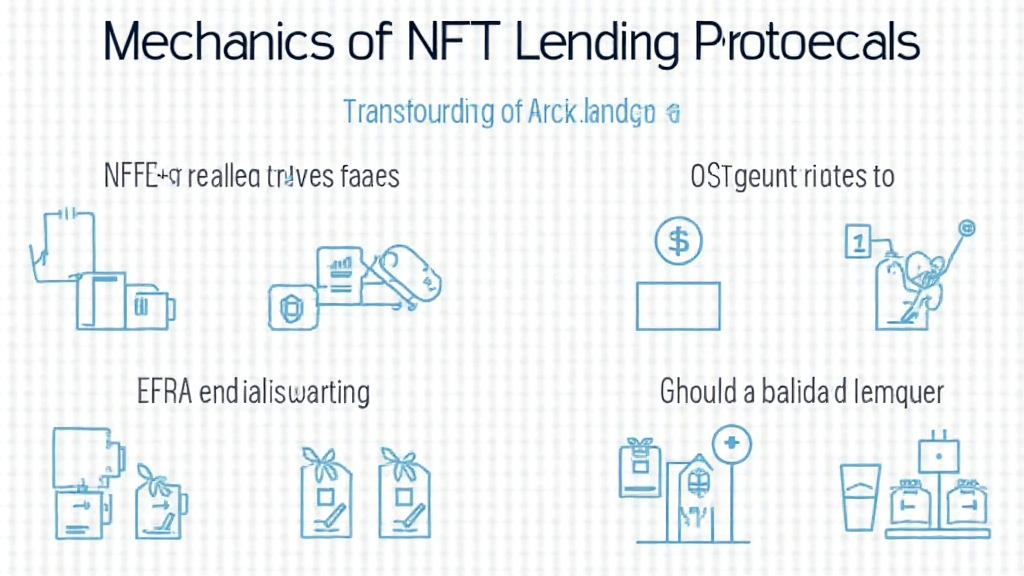
NFT lending protocols utilize smart contracts to automate the lending process. Let’s break it down:
- Smart Contracts: These are self-executing contracts with the terms of the agreement directly written into code on the blockchain. They facilitate trustless transactions and ensure that both parties fulfill their commitments.
- Collateralization: Typically, the NFT being lent must be valued more than the loan amount. This practice mitigates risk for lenders, ensuring loans are backed by sufficient collateral.
- Interest Rates: Interest can be structured in various ways, including fixed rates or dynamic rates that change based on supply and demand.
Why NFT Lending Protocols Are Gaining Popularity
As the crypto market matures, several factors drive the adoption of NFT lending protocols:
- Liquidity: Traditional NFT markets can often be illiquid, making it difficult to realize profits quickly. NFT lending protocols provide an avenue for liquidity, allowing NFT holders to access funds without selling their assets.
- Investment Opportunities: These protocols enable investors to leverage their NFT holdings, opening doors for larger investments into digital collectibles and further expanding the market.
- Access to Capital: NFT creators and holders can use their digital assets to secure funding, supporting new projects and enabling innovation.
- Educational Awareness: As the understanding of blockchain technology increases, more users are intrigued by how they can benefit from NFTs beyond mere ownership.
Market Data: The Rise of NFT Lending in Vietnam
Vietnam is experiencing a digital asset revolution, with reports indicating a 120% increase in crypto users in 2023. The introduction of NFT lending protocols taps into this growth, providing innovative financial solutions tailored to a tech-savvy younger demographic. In light of this, the Vietnamese government is working to regulate the crypto landscape, which aids in fostering a safe environment for both lending and borrowing.
According to recent surveys:
- About 30% of Vietnamese crypto users have shown active interest in NFTs.
- The demand for NFT lending could see exponential growth, with forecasts suggesting it will reach a market value of $2 billion by 2025.
Potential Risks Associated with NFT Lending Protocols
While NFT lending protocols present exciting opportunities, they are not without their risks:
- Smart Contract Vulnerabilities: Code is susceptible to bugs and exploits. Regular audits by trustworthy firms are critical to maintain security.
- Market Volatility: The value of NFTs can fluctuate greatly, potentially leading to liquidation events if the collateral value drops below a threshold.
- Lack of Regulation: As a nascent area in crypto, the lack of regulatory clarity increases risk for participants.
How Can Users Participate in NFT Lending?
For users interested in participating in NFT lending, follow these steps:
- Choose a Reputable Protocol: Research and select established platforms known for their security and user-friendly experience, such as HIBT.com.
- Connect Your Wallet: Integrate your crypto wallet to quickly begin transactions.
- Assess Your NFTs: Determine which NFTs you wish to leverage and their current market value.
- Set Loan Terms: Decide on the amount to borrow and the interest you’re willing to pay.
Conclusion
NFT lending protocols are a groundbreaking innovation in the realm of digital finance. As adoption accelerates and users in Vietnam and beyond recognize the advantages these protocols offer, they will fundamentally change the NFT landscape. The implications for traditional lending systems are profound, suggesting a future where digital assets and traditional finance integrate seamlessly.
In conclusion, as digital assets continue to evolve, so too does the financial infrastructure surrounding them. Whether you are a seasoned investor or new to the crypto space, understanding and participating in NFT lending protocols may be your gateway to unlocking new financial potential.
For further insights into navigating the crypto landscape, keep exploring the resources available at cryptolearnzone.
Expert Contribution
Authored by Dr. Lê Minh, a leading economist with a specialization in blockchain technology, and published numerous papers on decentralized finance, Dr. Minh has conducted audits for various well-known projects and is a trusted voice in the Vietnamese crypto community.


